Why the ejection system is critical
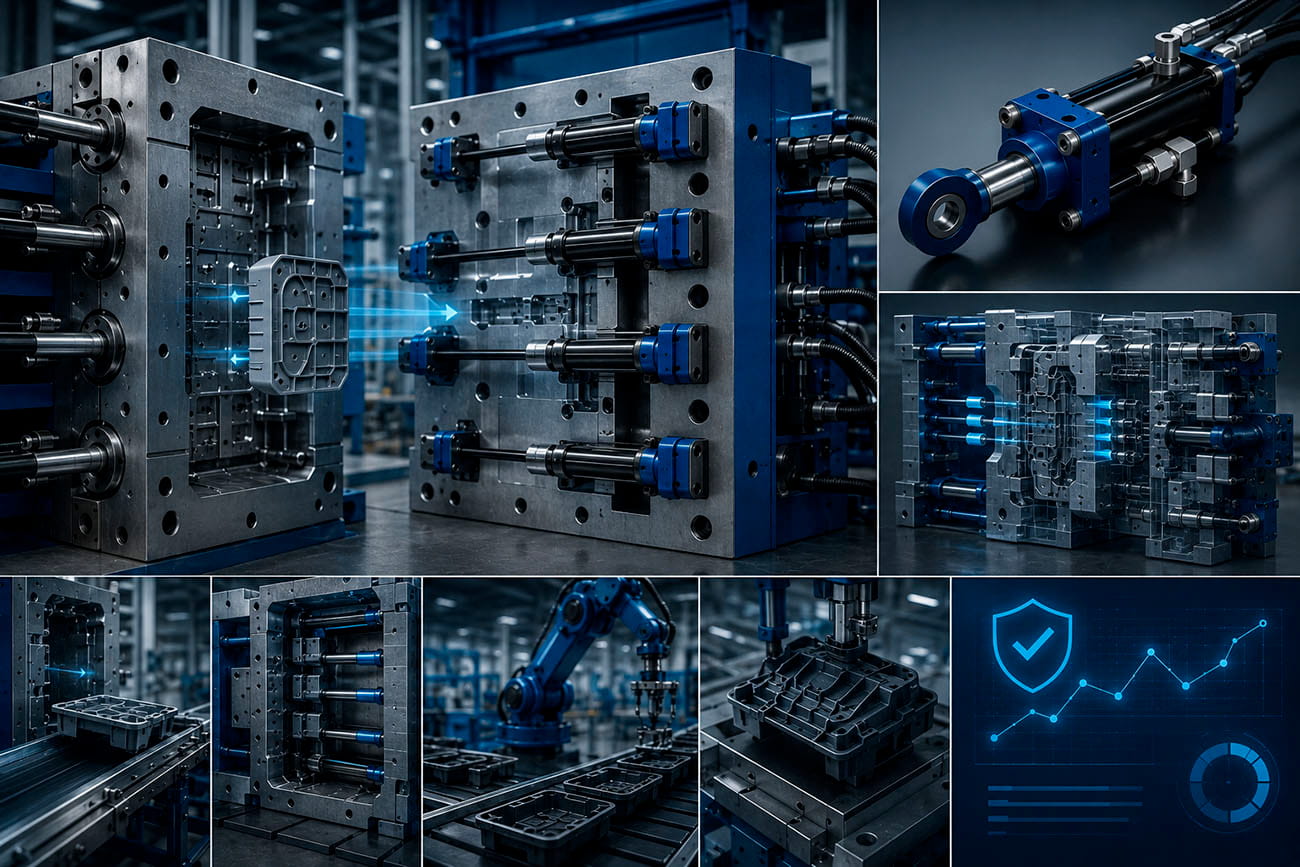
The ejection system removes the molded part from the cavity.
A poorly designed system may create:
- warpage
- surface marks
- part damage
- production instability
Correct ejection improves quality and reliability.
Main types of ejection systems
Several systems exist:
- ejector pins
- ejector blades
- stripper plates
- pneumatic ejection
- hydraulic ejection
Selection depends on:
- part geometry
- material
- mold complexity
Influence of adhesion forces
During cooling, the molded part adheres to the cavity surface.
This creates:
- friction
- vacuum effects
- mechanical stress
Ejection forces must be distributed evenly.
Importance of ejector position
Ejector position affects:
- surface quality
- warpage
- dimensional stability
Incorrect distribution may create:
- visible marks
- bending
- local damage
Hydraulic systems in complex molds
Complex molds often use:
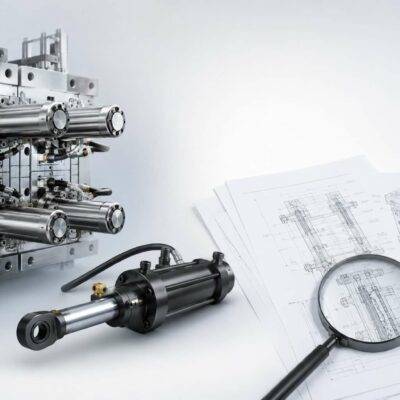
- hydraulic cylinders
- core pulling systems
- automated movements
Movement synchronization is critical.
Platforms such as Vega Cylinders allow engineers to:
- configure hydraulic cylinders online
- download 3D CAD
- verify dimensions
- accelerate engineering workflow
This improves precision and design integration.
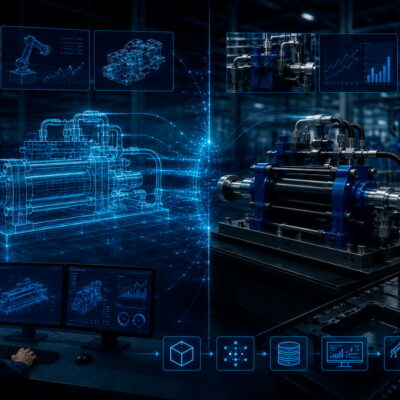
Simulation and modern engineering
Simulation helps predict:
- warpage
- stress
- material behavior
- ejection problems
This reduces engineering mistakes and production modifications.
The future of ejection systems
In the future of injection molding:
- automation
- industrial AI
- advanced simulation
- real-time manufacturing
will become increasingly interconnected.
Companies capable of optimizing ejection and mold movements will achieve higher quality and efficiency.