In every industry, attention tends to focus on the largest companies.
However, some of the most innovative and technically capable organizations are not necessarily the biggest.
In mold manufacturing, many specialized companies have built strong reputations by concentrating on engineering excellence, customer service, and the ability to solve complex technical challenges.
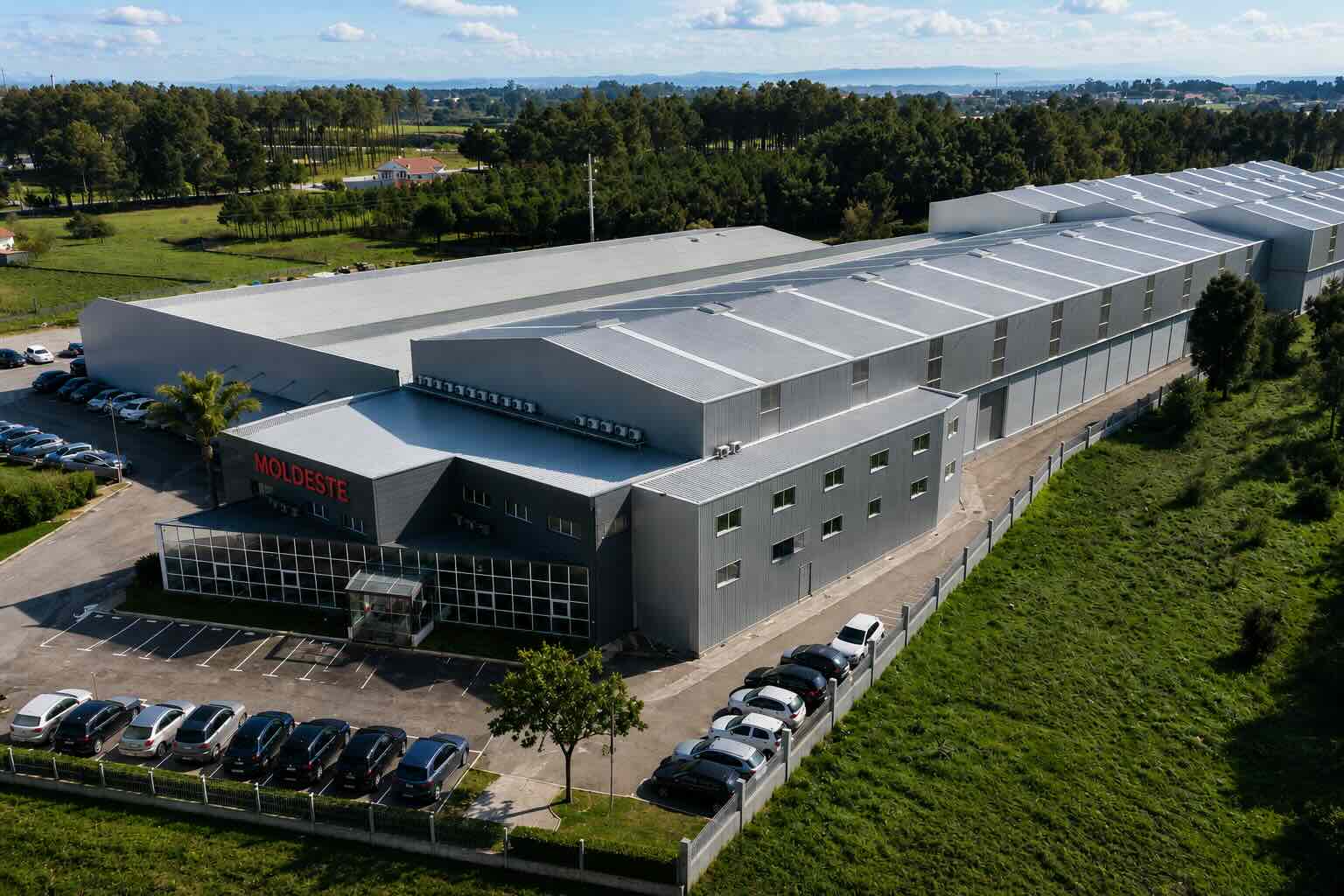
Moldoeste represents this important segment of the industry.
Its story reflects the strengths that have made Portugal one of the world’s leading mold-making nations and demonstrates why specialized manufacturers continue to play a vital role in global production.
The Strength of Portugal’s Mold Industry
Portugal’s mold industry is often cited as one of the country’s greatest industrial success stories.
For decades, Portuguese manufacturers have supplied molds to customers across Europe, North America, and Asia.
The industry’s success has been built on several key factors:
- Technical expertise
- Skilled labor
- Precision manufacturing
- International cooperation
- Continuous investment in technology
Unlike mass-production industries, mold manufacturing depends heavily on engineering knowledge and problem-solving capabilities.
This environment allows specialized companies to compete successfully against much larger organizations.
Why Specialization Matters
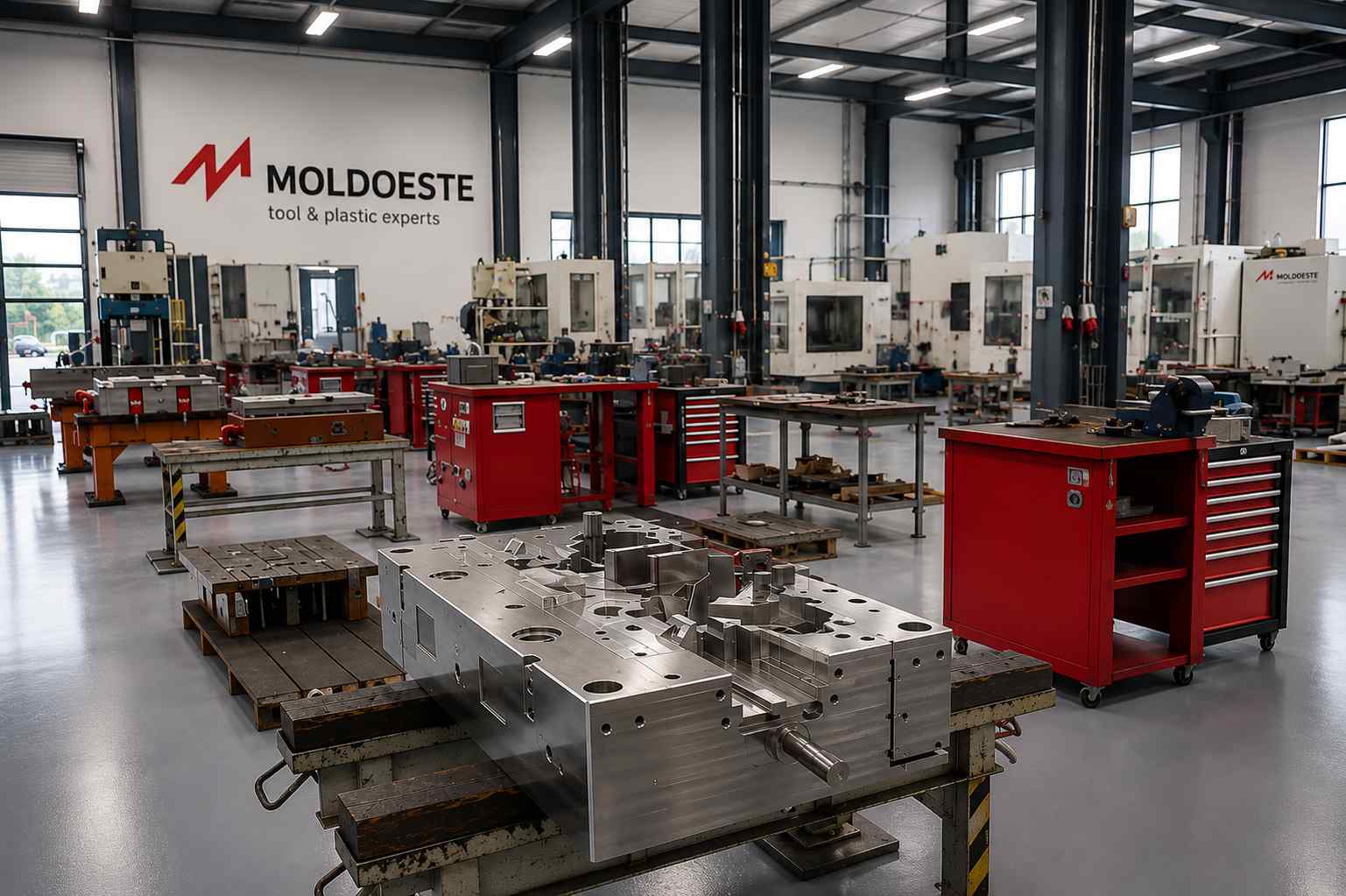
Many manufacturing sectors reward scale.
Mold manufacturing often rewards expertise.
Customers frequently require solutions tailored to specific products, materials, and production environments.
Every mold presents unique challenges.
A design that works perfectly for one application may be unsuitable for another.
As a result, successful mold manufacturers must understand not only machining and assembly but also:
- Material behavior
- Product design
- Manufacturing processes
- Thermal management
- Maintenance requirements
Specialization allows companies to develop deep expertise that creates value for customers.
Engineering Beyond Machining
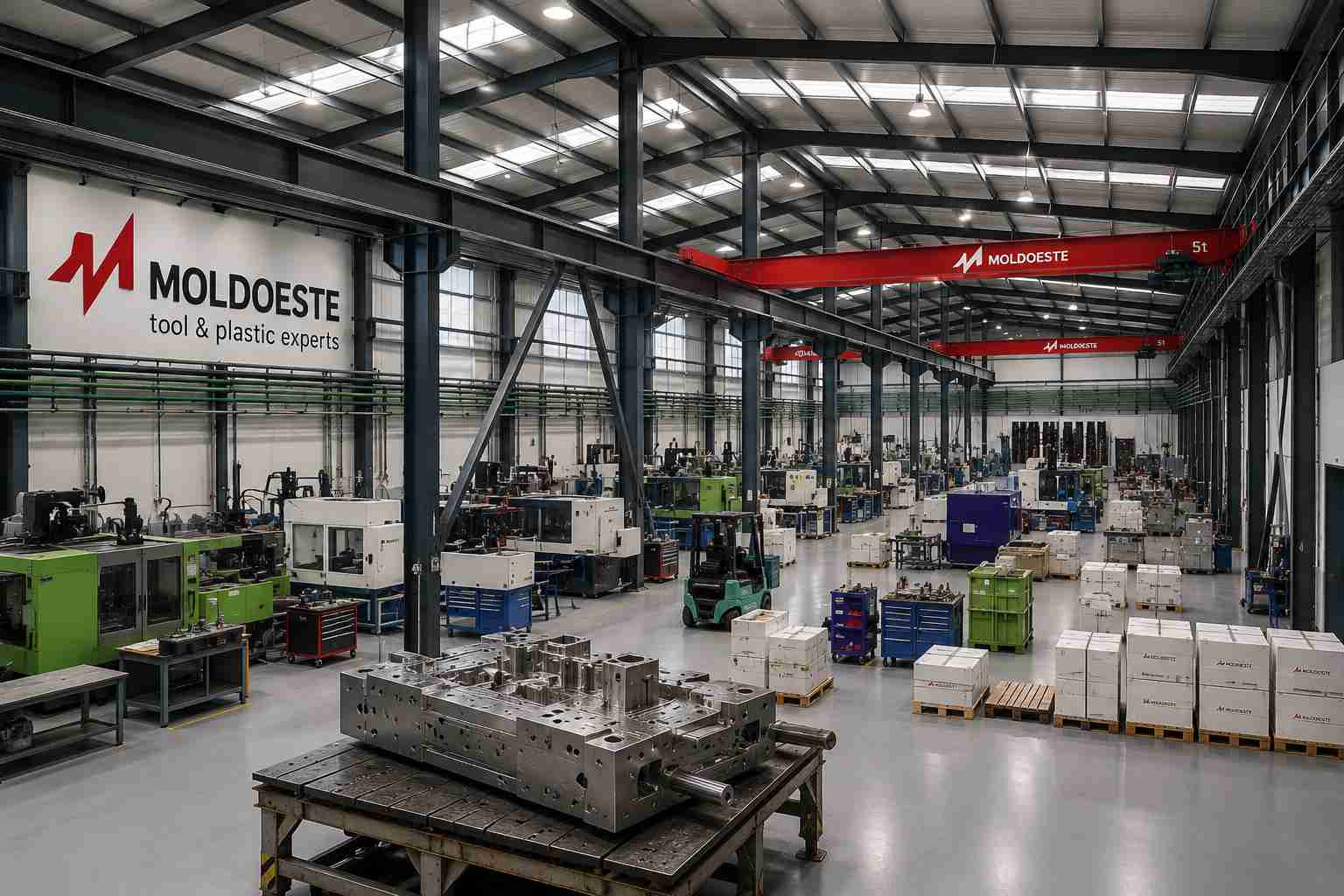
People outside the industry sometimes assume that mold making is primarily about machining steel.
In reality, machining is only one part of the process.
Modern mold manufacturing involves extensive engineering work before production begins.
Engineers evaluate:
- Product geometry
- Material flow
- Cooling performance
- Production requirements
- Mold maintenance strategies
The goal is not simply to manufacture a mold.
The goal is to create a production system capable of delivering consistent results over millions of cycles.
This engineering-focused approach has become one of the defining characteristics of leading Portuguese mold manufacturers.
Precision and Reliability
Manufacturers invest heavily in molds because they expect reliable long-term performance.
A high-quality mold can remain in production for years while maintaining consistent part quality.
Reliability affects:
- Productivity
- Downtime
- Maintenance costs
- Customer satisfaction
For this reason, precision is not merely a technical objective.
It is a business requirement.
The most successful mold manufacturers understand that quality must be built into every stage of the process.
Technology Continues to Transform the Industry
The mold-making industry continues to evolve rapidly.
Advanced CAD systems enable increasingly complex designs.
Simulation software helps engineers predict potential issues before manufacturing begins.
High-speed machining centers improve precision and efficiency.
Inspection technologies verify quality throughout production.
These innovations allow mold manufacturers to deliver higher performance while reducing lead times.
However, technology alone is not enough.
Success still depends on experienced engineers, skilled technicians, and a culture of continuous improvement.
The Importance of Hydraulic Components
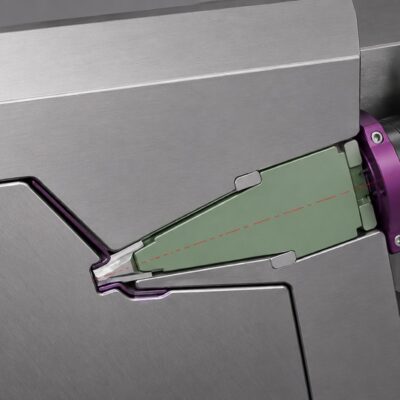
Many molds rely on hydraulic systems to perform critical functions.
Hydraulic cylinders may be used for:
- Core pulling systems
- Slide movements
- Locking applications
- Automated functions
These components must deliver reliable performance while operating in limited installation spaces.
As molds become increasingly sophisticated, the importance of robust hydraulic solutions continues to grow.
Reliable hydraulic systems help ensure consistent mold operation and reduce the risk of costly downtime.
Lessons for Mold Manufacturers
1. Expertise Creates Value
Customers often choose suppliers based on technical capability rather than size alone.
Specialized knowledge remains a powerful competitive advantage.
2. Quality Is Built Through Process
Consistent quality requires disciplined engineering, careful planning, and attention to detail.
3. Customer Relationships Matter
Long-term success is often built through trust and collaboration.
The strongest partnerships develop over many years.
4. Adaptability Drives Growth
Manufacturing requirements continue to evolve.
Companies that embrace change are better positioned to succeed.
Looking Ahead
The future of mold manufacturing will bring new challenges and new opportunities.
Automation, digital engineering, advanced materials, and increasing customer expectations will continue to shape the industry.
Companies such as Moldoeste demonstrate that specialization, engineering expertise, and a commitment to quality remain powerful foundations for long-term success.
Their story highlights an important lesson for mold manufacturers everywhere: sustainable growth is often achieved not by trying to be everything to everyone, but by becoming exceptionally good at solving specific customer problems.
Disclaimer: This article is an independent editorial publication created for educational and industrial information purposes. All trademarks and company names belong to their respective owners.