Introduction
The mold manufacturing industry operates behind the scenes of modern production.
Consumers rarely think about the molds used to manufacture automotive components, household products, electronic devices, or technical plastic parts. Yet these tools are among the most important assets in any manufacturing operation.
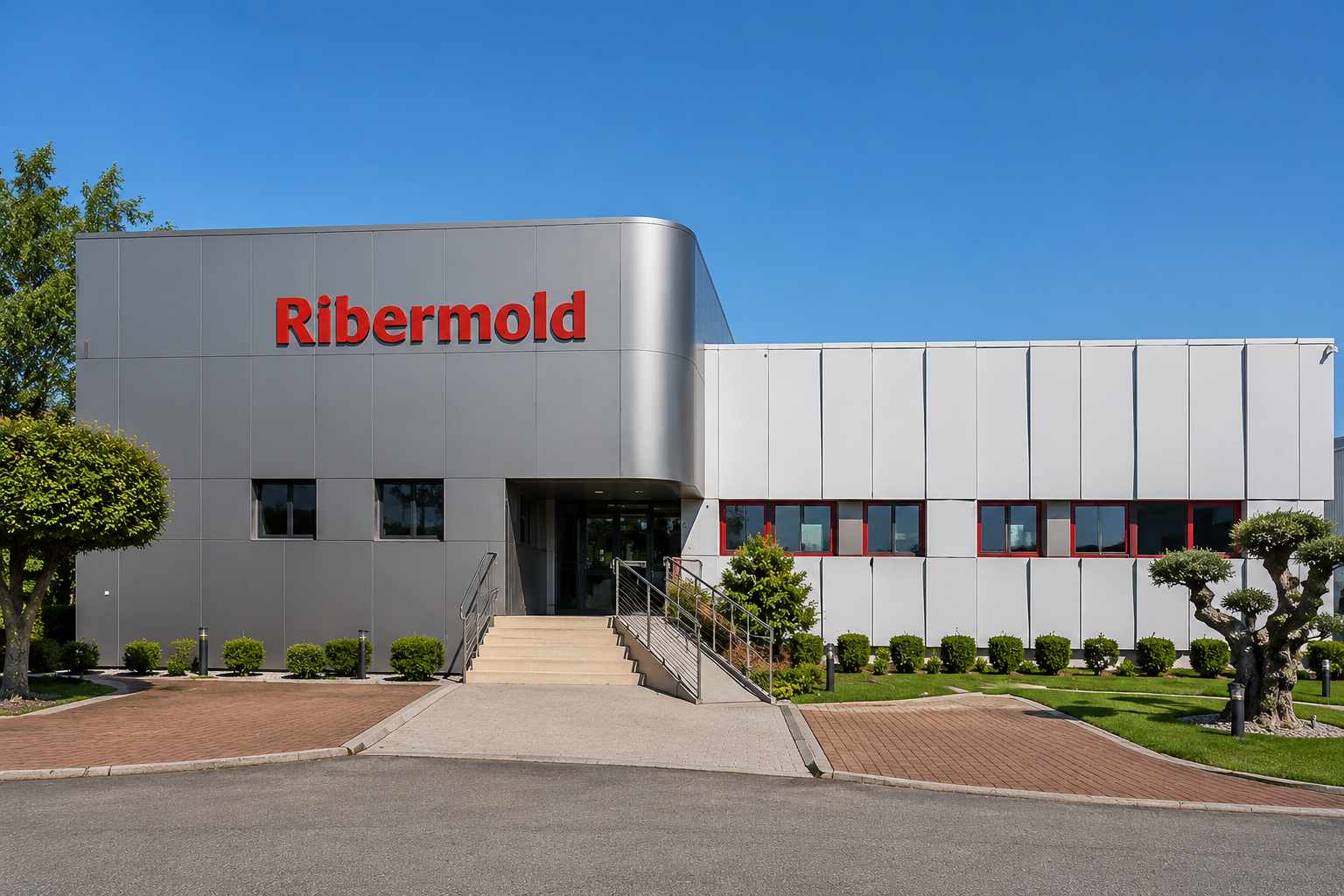
Companies such as Ribermold play a critical role in making modern production possible.
By combining engineering expertise, precision machining, and a commitment to quality, mold manufacturers help transform product ideas into millions of finished components used every day around the world.
Portugal’s Reputation for Mold Excellence
Portugal has established itself as one of the leading mold-producing nations in Europe.
This reputation was built over decades through investment in engineering, skilled labor, and advanced manufacturing technologies.
Unlike industries that compete primarily on volume, mold manufacturing depends heavily on technical expertise.
Customers expect suppliers to solve complex production challenges while delivering reliable, long-lasting tooling solutions.
Portuguese mold manufacturers have earned international respect because they consistently meet these expectations.
Precision Engineering in Modern Toolmaking
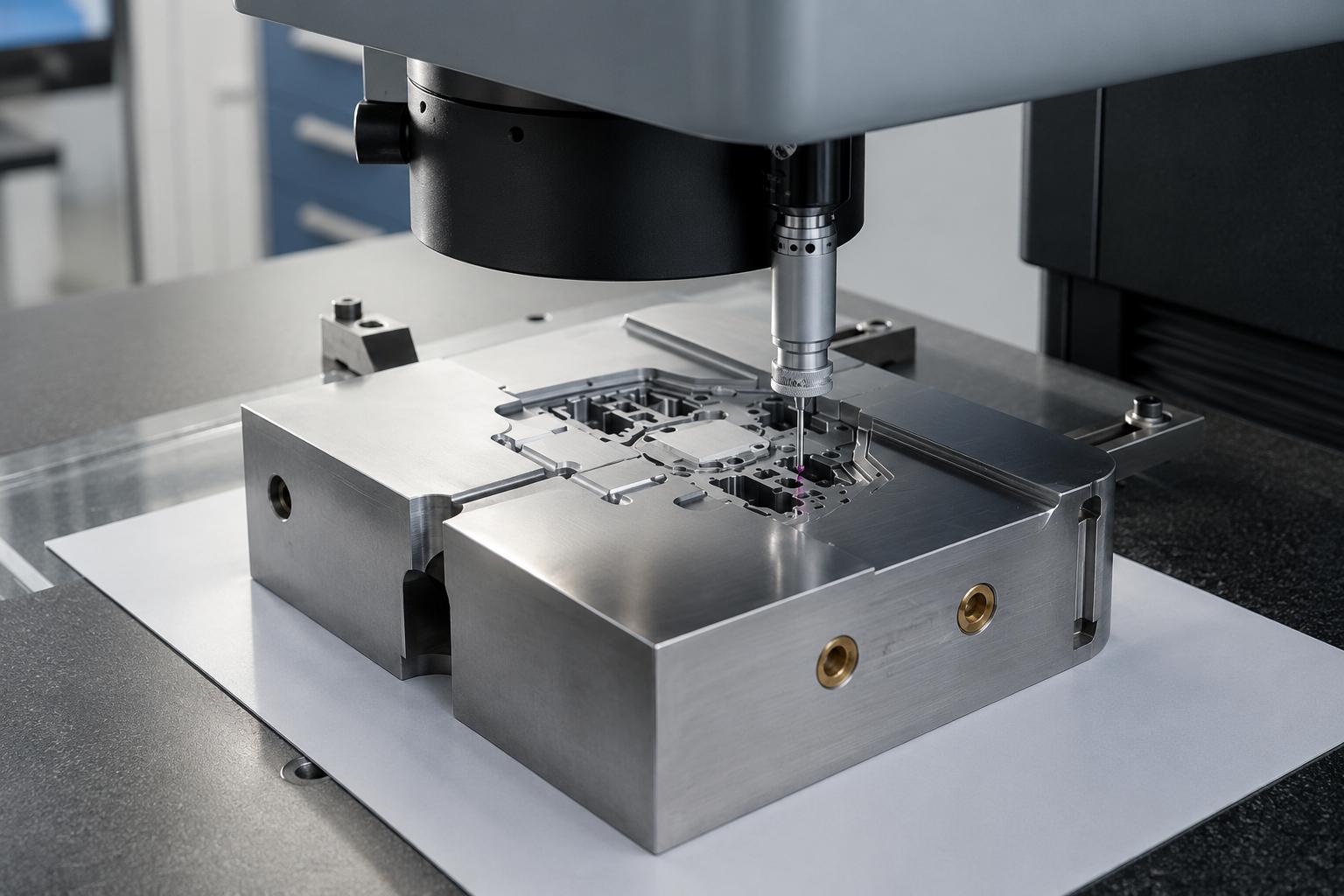
Modern molds are far more sophisticated than many people realize.
A mold may contain dozens or even hundreds of precision components working together under demanding operating conditions.
Cooling circuits regulate temperature.
Guiding systems control movement.
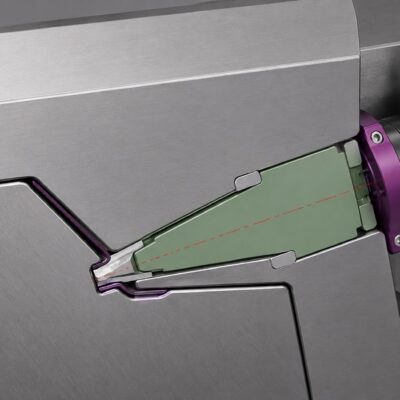
Slides create complex geometries.
Ejection systems remove finished parts.
Every element must function perfectly throughout the life of the tool.
The success of the finished product often depends on decisions made during the design phase of the mold itself.
Serving Demanding Industries
Many mold manufacturers work with customers in highly demanding sectors.
These industries require exceptional levels of precision, consistency, and reliability.
Common applications include:
- Automotive components
- Consumer products
- Industrial equipment
- Technical plastic parts
- Packaging solutions
- Electronic products
Each industry presents unique challenges that require specialized knowledge and engineering expertise.
This diversity encourages continuous learning and innovation.
Technology as a Competitive Advantage
Today’s mold manufacturers rely on advanced technologies throughout the production process.
CAD software allows engineers to create increasingly sophisticated designs.
Simulation tools help predict material flow and cooling performance.
High-speed machining centers improve accuracy and reduce production times.
Inspection systems verify quality throughout manufacturing.
Technology enables greater precision, but success still depends on the people who use it.
The combination of modern equipment and experienced engineers remains one of the strongest competitive advantages in mold manufacturing.
Reliability Matters
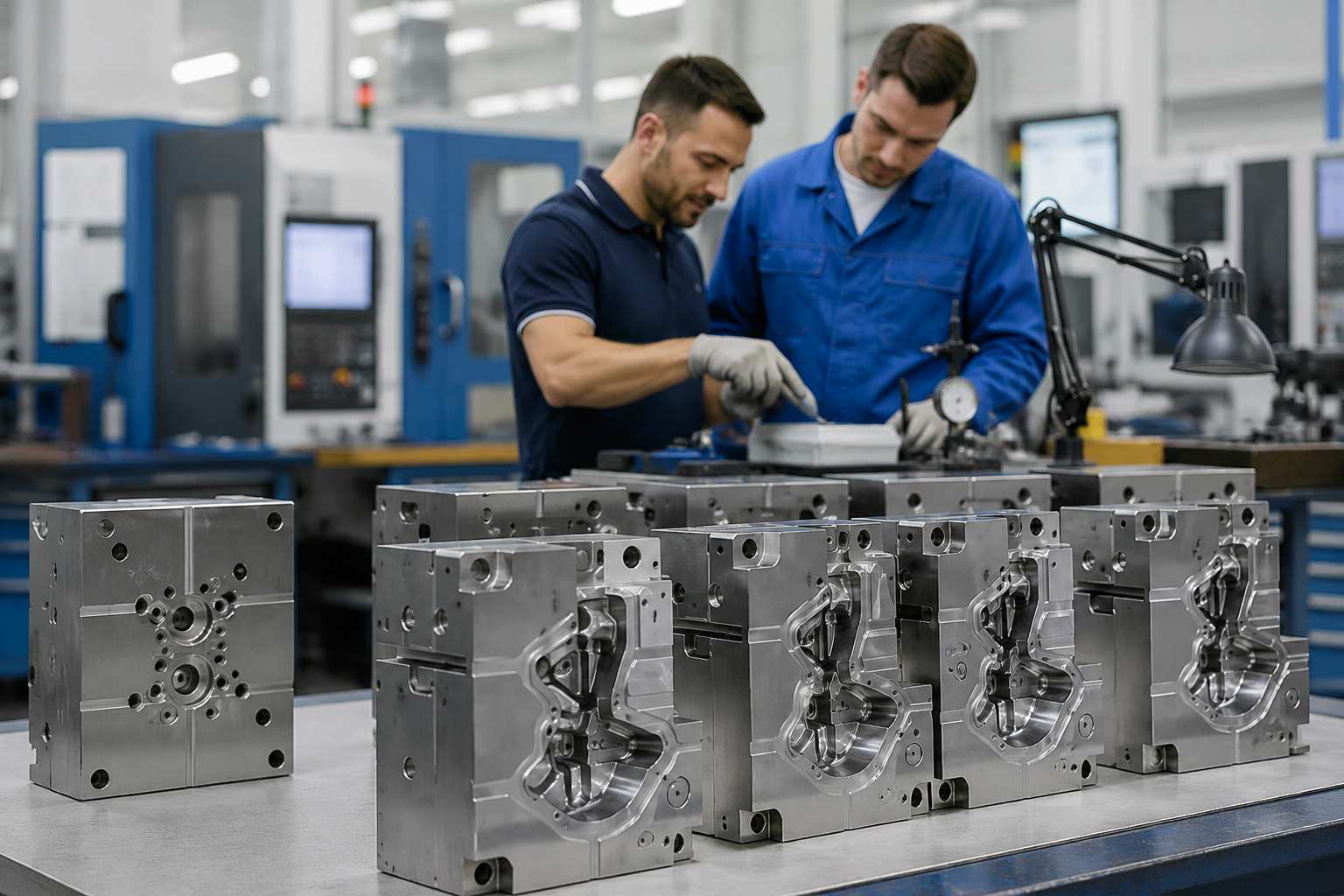
A successful mold is not simply one that produces good parts.
A successful mold continues producing good parts consistently over many years.
Reliability reduces downtime.
Reliability lowers maintenance costs.
Reliability improves customer confidence.
For this reason, leading mold manufacturers place strong emphasis on quality control and continuous improvement.
The long-term performance of a mold often becomes one of the most important measures of success.
Hydraulic Systems Inside Complex Molds
Many advanced molds require moving components that cannot be operated mechanically alone.
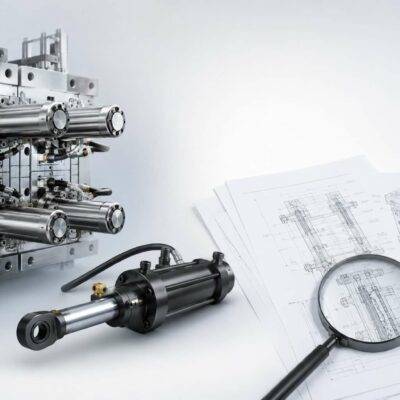
Hydraulic cylinders are frequently used for:
- Core pulling systems
- Side-action mechanisms
- Locking systems
- Special movement applications
These components must operate reliably while fitting into increasingly compact spaces.
As product designs become more complex, hydraulic technology continues to play an important role in mold engineering.
Lessons for Mold Manufacturers
Engineering Creates Value
Customers increasingly seek suppliers who can contribute technical expertise and not simply manufacturing capacity.
Quality Builds Reputation
A strong reputation is earned through consistent performance over many years.
Continuous Improvement Is Essential
Successful mold manufacturers constantly refine processes, technologies, and capabilities.
Long-Term Relationships Matter
The strongest industrial partnerships are often built over decades rather than individual projects.
Looking Ahead
The future of mold manufacturing will continue to be shaped by automation, digital engineering, advanced materials, and growing customer expectations.
Companies such as Ribermold demonstrate how technical expertise and commitment to quality can create long-term success in a highly competitive global market.
For mold manufacturers everywhere, the key lesson remains clear: engineering excellence continues to be one of the most valuable assets in modern industry.