When discussing the success of Portugal’s mold-making industry, one company consistently appears among the most respected names in the sector: Simoldes.
Over the decades, Simoldes has become a reference point for manufacturers seeking precision, reliability, and engineering excellence. Its story demonstrates how technical expertise, customer focus, and long-term investment can create sustainable growth in one of the world’s most competitive industries.
For mold manufacturers around the world, Simoldes offers valuable lessons about innovation, specialization, and the importance of adapting to changing market demands.
Portugal’s Industrial Transformation
Today, Portugal is recognized as one of the world’s leading mold-producing countries.
However, this position was not achieved overnight.
The country’s mold industry developed through decades of investment in engineering, machining technology, education, and international cooperation.
Companies such as Simoldes helped establish Portugal’s reputation by consistently delivering high-quality tooling solutions to customers around the world.
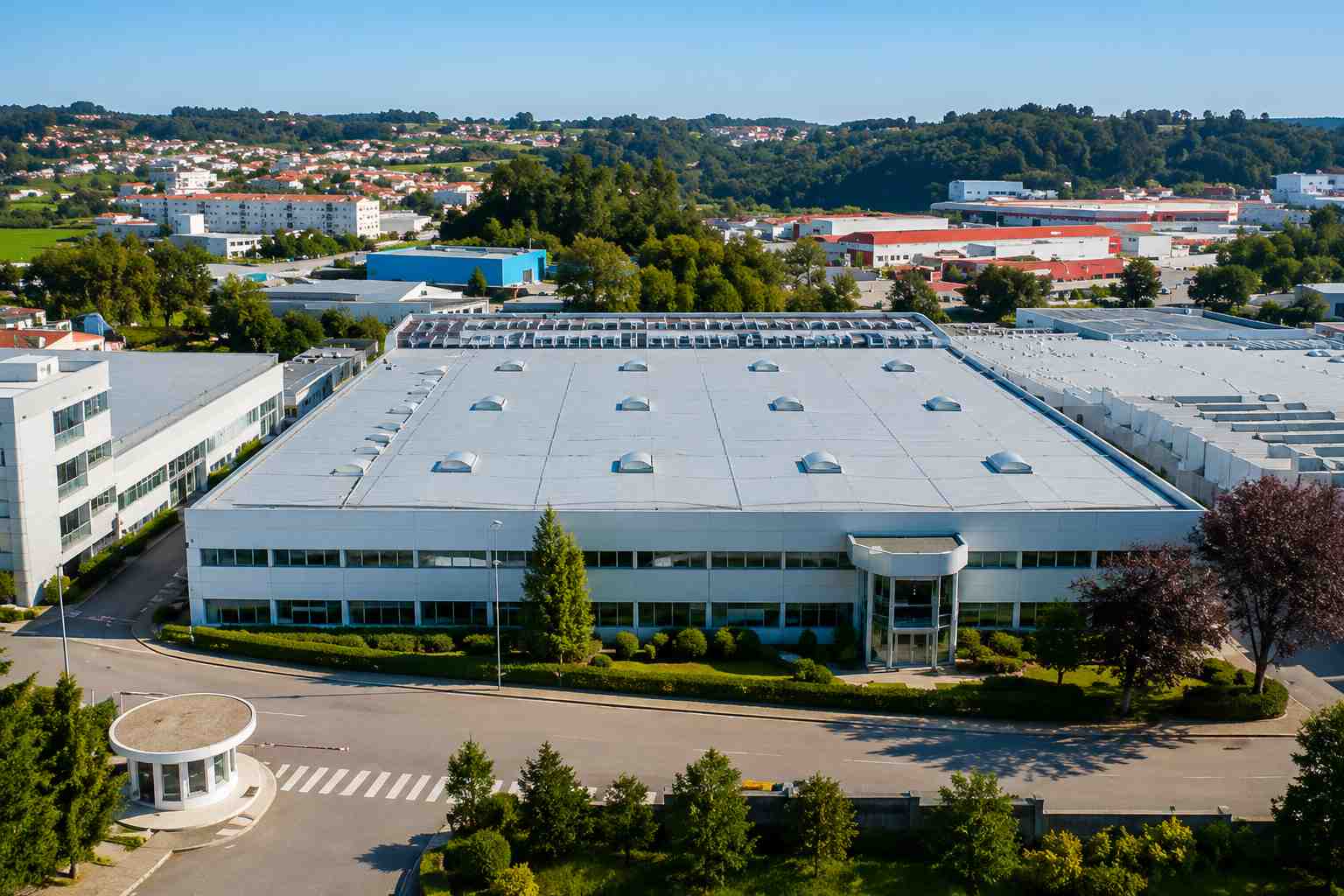
As global competition increased, Portuguese manufacturers learned that success depended not on low costs but on technical competence and reliability.
This philosophy continues to shape the industry today.
From Local Workshop to International Recognition
Many successful industrial companies begin with a simple vision.
They focus on solving customer problems, improving processes, and building long-term relationships.
Over time, these foundations create trust, and trust creates growth.
Simoldes followed a similar path.
What started as a specialized manufacturing operation evolved into a highly respected industrial organization serving demanding international markets.
The company’s development reflects a broader trend within the Portuguese mold industry: the transition from traditional manufacturing to advanced engineering-driven production.
Understanding Modern Mold Manufacturing
To appreciate the significance of companies like Simoldes, it is important to understand the complexity of modern molds.
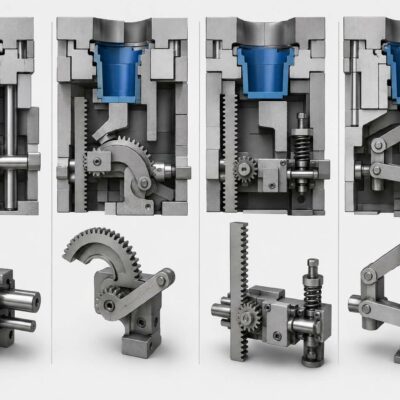
Today’s injection molds are sophisticated engineering systems.
They must withstand high pressures, repeated thermal cycles, and continuous operation while maintaining precise dimensional accuracy.
Even small imperfections can affect productivity, increase maintenance costs, or reduce product quality.
As a result, mold manufacturers must combine expertise in:
- Mechanical engineering
- Materials science
- Thermal management
- Precision machining
- Automation
- Quality control
The ability to integrate all these disciplines has become a defining characteristic of successful tooling companies.
Supporting the Automotive Industry
One of the most demanding sectors served by mold manufacturers is automotive production.
Vehicle manufacturers require components that meet strict quality standards while supporting high-volume production environments.
The molds used to produce automotive parts must deliver exceptional consistency over extended production runs.
This requires careful engineering, robust construction, and rigorous testing.
Companies capable of meeting these expectations often develop expertise that can be applied across multiple industries.
The lessons learned in automotive manufacturing frequently benefit sectors such as consumer goods, electronics, packaging, and medical devices.
The Role of Technology
Modern mold manufacturing depends heavily on technology.
Advanced CAD systems allow engineers to design increasingly complex tooling solutions.
Simulation software helps predict material flow, cooling performance, and potential production issues before manufacturing begins.
High-speed machining centers improve precision while reducing lead times.
Measurement systems verify dimensional accuracy at every stage of production.
These technologies do not replace experience.
Instead, they amplify the capabilities of skilled engineers and technicians.
The companies that achieve long-term success are often those that combine advanced technology with practical manufacturing knowledge.
Reliability as a Competitive Advantage
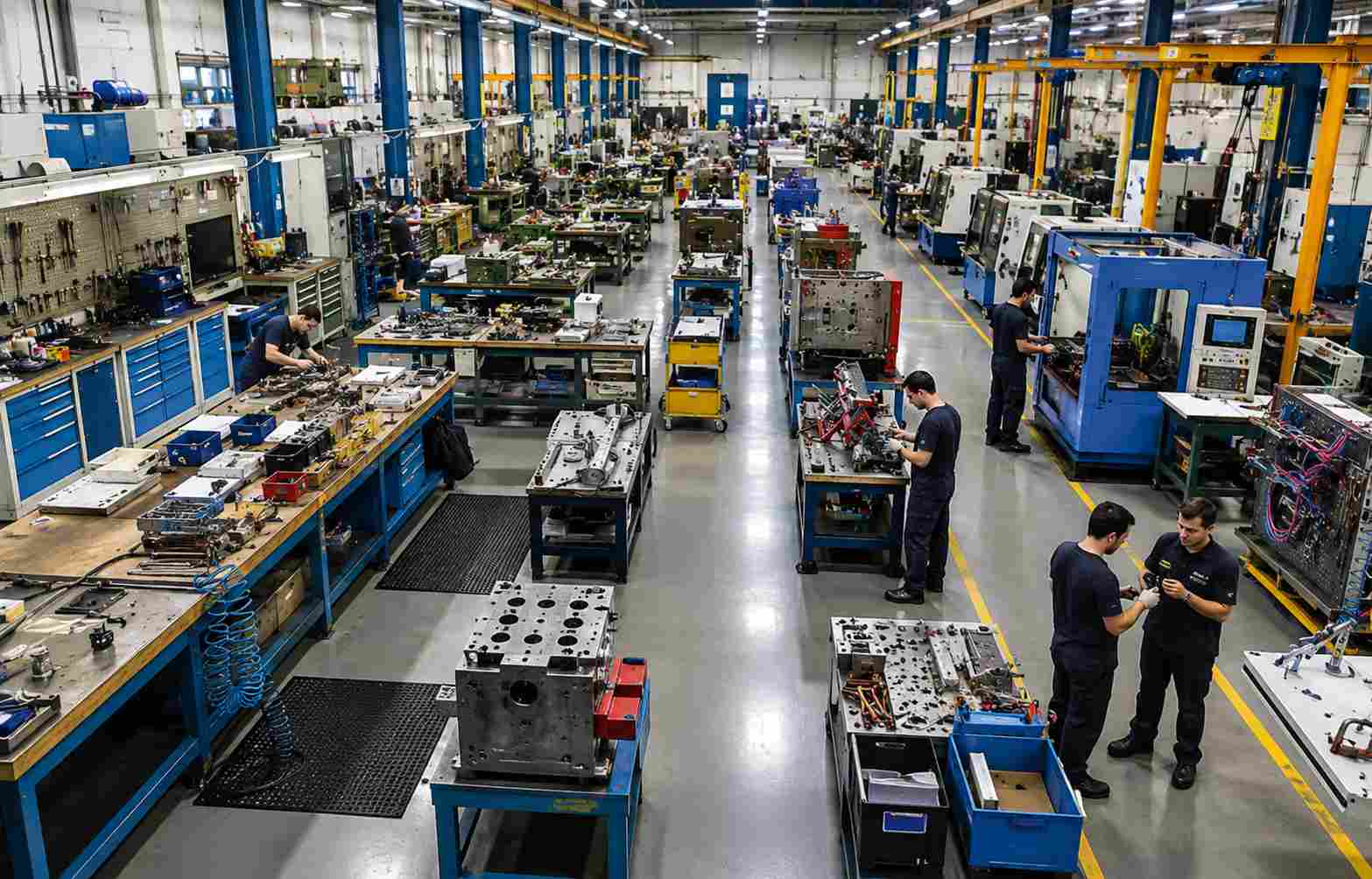
In many industries, customers remember failures more than successes.
A mold that consistently performs over years of production creates significant value.
Reliable tooling reduces downtime, lowers maintenance costs, and improves overall manufacturing efficiency.
This is why leading mold manufacturers place such a strong emphasis on quality systems, process control, and continuous improvement.
Reliability is not created by a single machine or technology.
It results from disciplined engineering and attention to detail throughout the entire manufacturing process.
Hydraulic Systems Inside Modern Molds
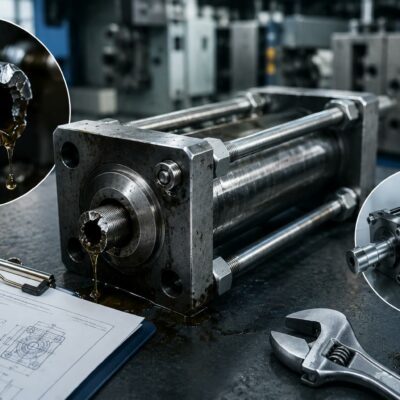
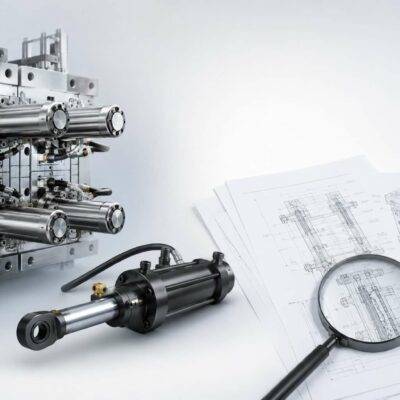
Although mold manufacturing is often associated with machining and steel processing, hydraulic systems remain important in many tooling applications.
Hydraulic cylinders may be used for:
- Core pulling operations
- Side actions
- Locking mechanisms
- Special movement systems
- Automated tooling functions
These applications often require compact dimensions combined with high force output and long service life.
As molds become more sophisticated, manufacturers increasingly depend on components that can operate reliably under demanding production conditions.
The performance of even a small hydraulic component can influence the productivity of an entire production system.
Lessons for Mold Manufacturers
1. Long-Term Thinking Wins
Industrial success rarely happens quickly.
The strongest companies focus on continuous improvement over decades rather than chasing short-term opportunities.
2. Engineering Creates Differentiation
In a competitive global market, engineering knowledge is often more valuable than production capacity alone.
Customers increasingly seek suppliers who can contribute expertise, not simply manufacture parts.
3. Quality Is an Investment
High-quality tooling reduces costs throughout the life of a project.
Investments in quality frequently generate returns far beyond the initial manufacturing phase.
4. Adaptability Is Essential
Markets change.
Technologies evolve.
Customer expectations increase.
Companies that embrace change are more likely to remain competitive over the long term.
Looking Ahead
The future of mold manufacturing will continue to be shaped by automation, digital engineering, advanced materials, and increasing demands for efficiency.
Manufacturers must deliver shorter lead times, greater precision, and improved productivity while maintaining high standards of quality.
Companies such as Simoldes demonstrate how engineering expertise, customer focus, and continuous innovation can support long-term growth in this challenging environment.
Their story reflects the broader success of the Portuguese mold industry and offers valuable lessons for mold makers everywhere.
As global manufacturing continues to evolve, the principles that drive successful tooling companies remain remarkably consistent: technical excellence, reliability, and an unwavering commitment to solving customer problems.
Disclaimer: This article is an independent editorial publication created for educational and industrial information purposes. All trademarks and company names belong to their respective owners.