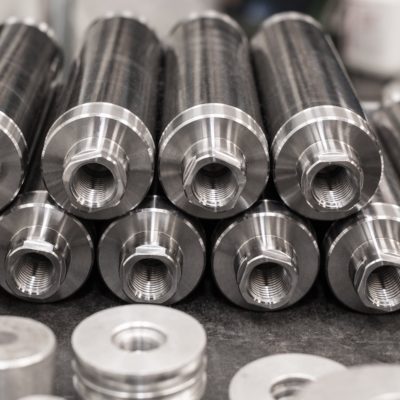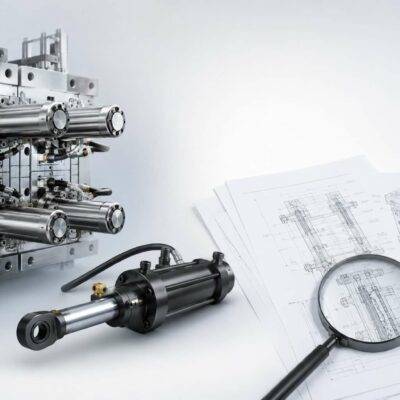
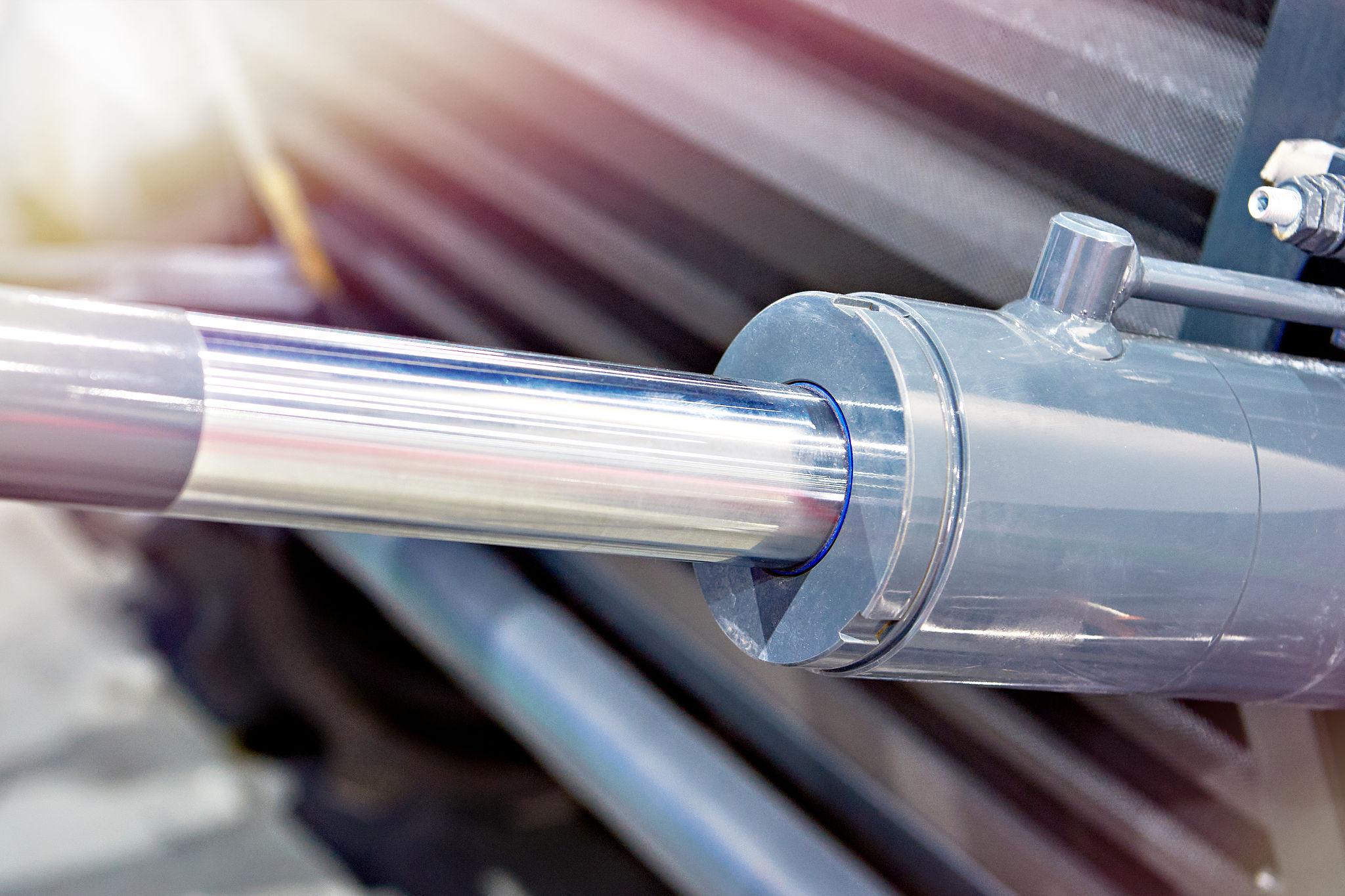
Hydraulic cylinders used inside plastic injection molds operate under extreme mechanical and thermal stress.
Pressure alone is not the only challenge. Materials must also resist:
- wear
- friction
- contamination
- thermal expansion
- corrosion
- pressure spikes
- repeated impacts
- high cycle fatigue
For this reason, material selection is one of the most important differences between hydraulic cylinder manufacturers.
At first glance, many cylinders may appear similar. Internally, however, the choice of:
- steel grades
- rod coatings
- seal materials
- guiding elements
- surface treatments
can completely change cylinder reliability and service life.
This article compares the material philosophies commonly associated with:
- Vega
- AHP Merkle
- HPS
Why Materials Matter in Injection Mold Applications
Plastic injection molds create a very aggressive operating environment.
Hydraulic cylinders often work:
- close to hot mold plates
- under rapid acceleration
- with side loads
- in compact spaces
- with contaminated oil
- at very high cycle counts
Poor material selection may lead to:
- premature wear
- seal damage
- rod scoring
- corrosion
- deformation
- leakage
A cylinder designed for general industrial hydraulics may not survive long in severe mold applications.
Cylinder Body Materials
The cylinder body absorbs:
- pressure loads
- structural stress
- impacts
- thermal deformation
Material rigidity directly affects:
- alignment
- seal life
- guiding precision
- leakage risk
Vega Approach
Vega compact cylinders are generally designed for:
- high rigidity
- compact dimensions
- high-pressure mold environments
The body philosophy focuses on:
- minimizing deformation
- maintaining alignment
- resisting repetitive stress cycles
Heavy-duty compact construction is particularly important in:
- ejector systems
- slides
- die casting molds
- high-speed mold movements
AHP Merkle Approach
AHP Merkle emphasizes:
- dimensional precision
- structural stability
- engineering tolerances
Its hydraulic systems are strongly focused on:
- mechanical stiffness
- precise machining
- pressure stability
The company follows a very traditional German engineering philosophy with strong attention to:
- machining quality
- material consistency
- guide precision
This approach performs very well in:
- controlled industrial environments
- precision tooling
- large mechanical assemblies
HPS Approach
HPS focuses heavily on:
- standardized industrial production
- interchangeability
- global availability
Its materials are selected to support:
- industrial durability
- standardized manufacturing
- fast production cycles
HPS solutions are often optimized for:
- broad industrial usage
- ISO compatibility
- maintenance simplicity
Rod Materials and Surface Treatments
The piston rod is one of the most stressed parts of a hydraulic cylinder.
It must resist:
- friction
- contamination
- bending
- corrosion
- side loads
- surface wear
Rod quality strongly affects seal life.
Chrome-Plated Rods
Most industrial cylinders use:
- hardened steel rods
- hard chrome plating
This solution offers:
- good wear resistance
- corrosion protection
- acceptable cost
However, in high-cycle mold applications, rod quality becomes much more critical.
Poor rod finishing may cause:
- seal wear
- micro-scratches
- leakage
- contamination damage
Vega Material Philosophy
Vega cylinders are strongly optimized for:
- repetitive mold cycles
- compact high-pressure operation
- contaminated environments
The material philosophy generally prioritizes:
- rigidity
- wear resistance
- thermal stability
- reduced deformation
Particular attention is given to:
- guiding systems
- scraper performance
- resistance to pressure spikes
- compact heavy-duty architecture
This is especially important in:
- plastic injection molds
- die casting systems
- unscrewing devices
- fast ejector movements
AHP Merkle Material Philosophy
AHP Merkle solutions typically focus on:
- precision-machined components
- dimensional accuracy
- robust mechanical architecture
Its engineering approach often includes:
- sophisticated guide systems
- precision tolerances
- multiple sealing stages
This increases:
- pressure containment
- guiding stability
- dimensional precision
On the other hand, more complex sealing architectures may increase:
- friction
- heat generation
- sensitivity to contamination
HPS Material Philosophy
HPS products follow a more standardized industrial approach.
The company offers different sealing materials depending on operating conditions, including:
- NBR
- Viton / FKM
- PTFE combinations
This allows adaptation to:
- high temperatures
- aggressive fluids
- industrial hydraulic applications
The focus is often:
- reliability
- industrial compatibility
- simplified maintenance
Seal Materials and Temperature Resistance
Seal material selection is critical in mold applications.
High temperatures may cause:
- hardening
- extrusion
- cracking
- leakage
- reduced elasticity
Different materials behave differently.
NBR
Advantages:
- economical
- good oil compatibility
- common industrial solution
Limitations:
- lower temperature resistance
FKM / Viton
Advantages:
- excellent heat resistance
- strong chemical resistance
- better high-temperature stability
Limitations:
- higher cost
PTFE Combinations
Advantages:
- low friction
- excellent temperature resistance
- strong chemical stability
Limitations:
- more complex design requirements
HPS catalogs clearly show several seal material options and temperature ranges.
Guiding Materials and Side Load Resistance
Guide systems are essential in mold cylinders.
They absorb:
- lateral forces
- misalignment
- vibration
- shock loads
Poor guide materials may generate:
- rod scoring
- seal damage
- body wear
- leakage
Strong guiding systems are often more important than increasing the number of seals.
Materials and Pressure Spikes
Pressure spikes create extremely high local stress.
Weak materials may deform under:
- water hammer
- rapid deceleration
- trapped oil pressure
Critical components include:
- pistons
- rod ends
- guide areas
- threaded connections
- seal supports
This is why compact heavy-duty designs are preferred in demanding mold environments.
Corrosion and Oil Contamination
Contaminated oil accelerates material degradation.
Particles inside the hydraulic circuit may damage:
- rods
- seals
- guides
- internal surfaces
Good material finishing improves:
- contamination resistance
- scraper efficiency
- long-term reliability
High-quality surface treatment is especially important in:
- humid environments
- water-cooled molds
- aggressive industrial applications
Which Material Philosophy Is Safer for Injection Molds?
There is no single perfect solution for every application.
However, reliable mold cylinders usually require:
- rigid body materials
- high-quality rod finishing
- strong guide systems
- temperature-resistant seals
- good wear resistance
- compact heavy-duty construction
Final Considerations
Vega, AHP Merkle and HPS follow different material philosophies.
Vega
Strong focus on:
- mold-specific engineering
- compact heavy-duty construction
- resistance to fast cycles and pressure spikes
AHP Merkle
Strong focus on:
- dimensional precision
- structural rigidity
- mechanical engineering quality
HPS
Strong focus on:
- industrial standardization
- material versatility
- global industrial compatibility
In plastic injection molds, cylinder reliability depends heavily on material quality.
The best hydraulic cylinder is not simply the one with the highest pressure rating.
The safest and longest-lasting solution is usually the one designed specifically for:
- thermal stress
- contamination
- side loads
- repetitive cycles
- real mold operating conditions.