Company Snapshot
| Country | Canada |
| Founded | 1988 |
| Industry | Injection Mold Manufacturing |
| Main Markets | Packaging, Consumer Goods, Medical |
| Core Expertise | Stack Molds, High Cavitation Molds, Automation |
| Applications | Thin Wall Packaging, Caps & Closures, Consumer Products |
Why Stack Molds Changed the Injection Molding Industry
Few innovations have had as much impact on injection molding productivity as the development of stack mold technology.
By increasing the number of molding faces within a single mold, manufacturers have been able to significantly increase production output without requiring larger injection molding machines.
Companies specializing in stack mold technology have transformed industries such as:
- food packaging;
- consumer products;
- caps and closures;
- medical disposables;
- thin-wall packaging.
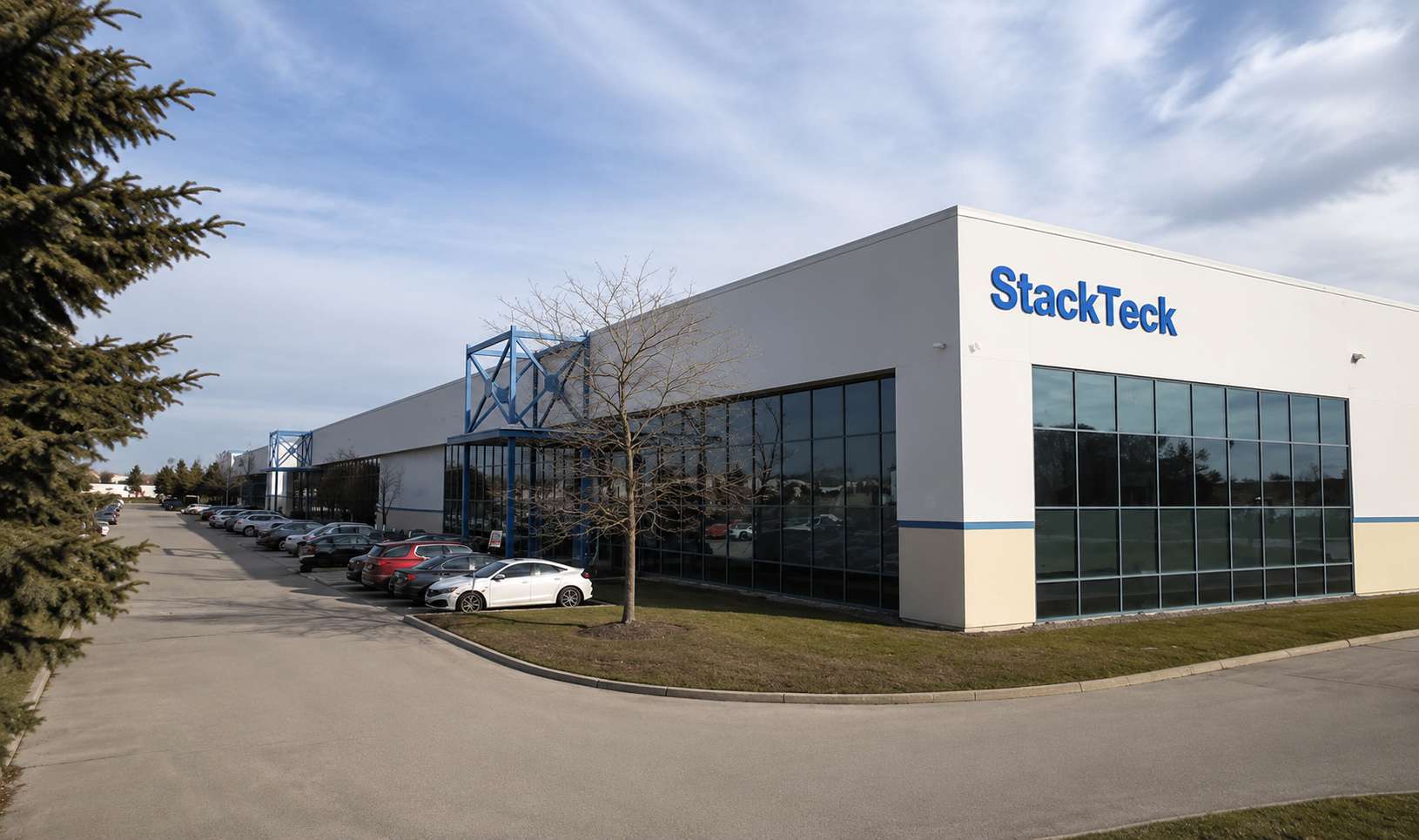
Among the companies recognized worldwide for this technology, StackTeck has become one of the most visible names in the industry.
The Challenge of Increasing Productivity
Manufacturers constantly face the same challenge:
How can production output be increased while controlling manufacturing costs?
Traditional approaches often involve:
- larger machines;
- more production lines;
- additional labor;
- increased factory space.
Stack mold technology introduced a different solution by increasing productivity within existing manufacturing infrastructure.
This approach fundamentally changed how manufacturers evaluate production efficiency.
Understanding Stack Mold Technology
A stack mold contains multiple parting lines arranged within a single mold structure.
This design allows manufacturers to produce significantly more parts during each molding cycle while maintaining machine clamp force efficiency.
The benefits include:
- increased productivity;
- reduced floor space;
- lower capital investment;
- improved machine utilization;
- reduced manufacturing costs.
However, these advantages also introduce substantial engineering challenges.
Engineering Complexity and Precision
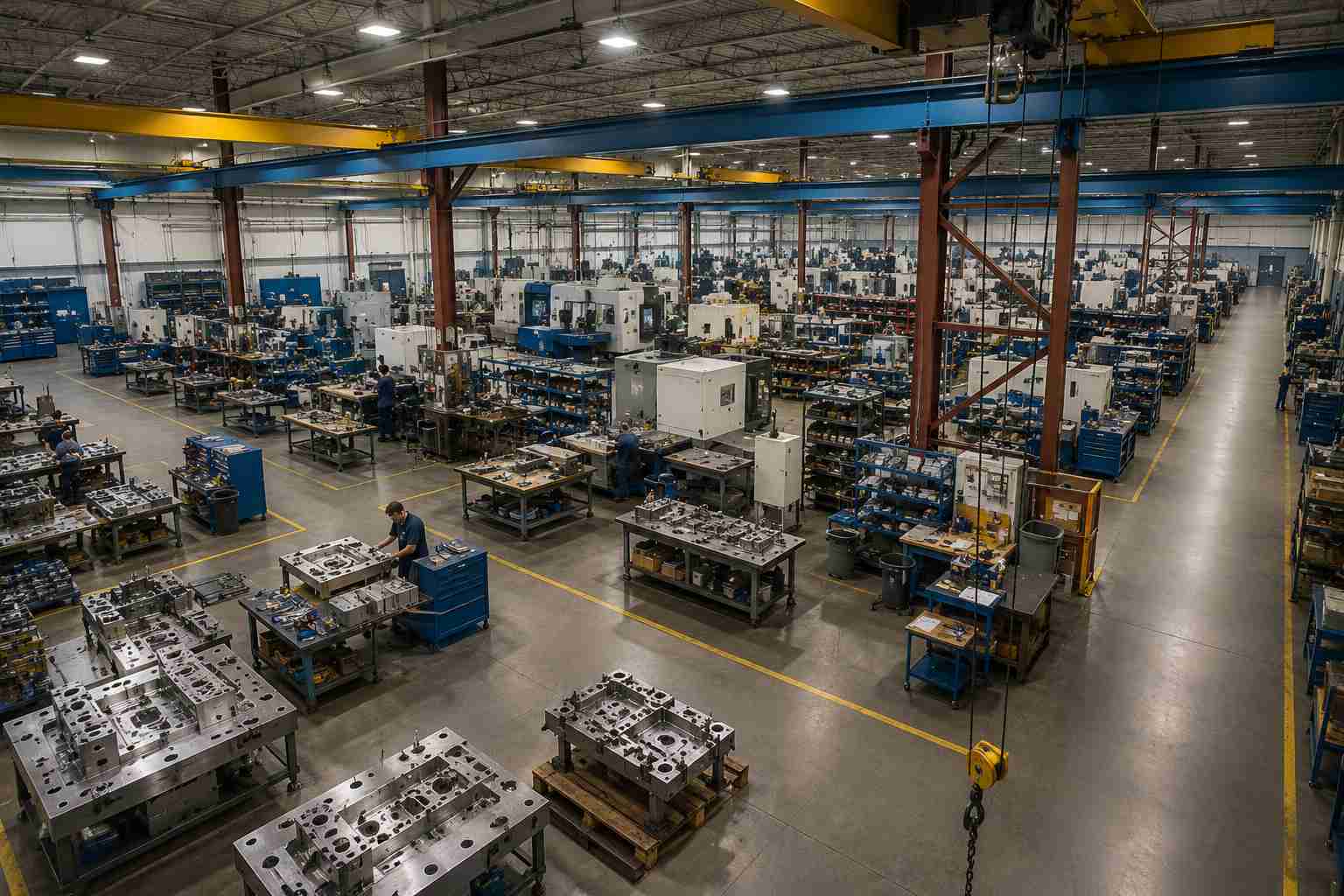
Designing stack molds requires expertise in several disciplines simultaneously:
- mechanical engineering;
- thermal management;
- material flow analysis;
- hydraulic actuation;
- mold balancing;
- automation integration.
Every movement inside the mold must be synchronized precisely.
Small deviations can affect:
- cycle time;
- product quality;
- mold life;
- production efficiency.
This level of complexity explains why only a limited number of manufacturers worldwide specialize successfully in stack mold technology.
Automation and High-Speed Production
Modern stack mold production environments rely heavily on automation.
Manufacturers increasingly implement:
- robotic handling systems;
- automated quality inspection;
- digital process monitoring;
- predictive maintenance;
- production analytics.
These technologies allow manufacturers to maintain high production volumes while ensuring process stability and repeatability.
Hydraulic Systems Inside Stack Molds
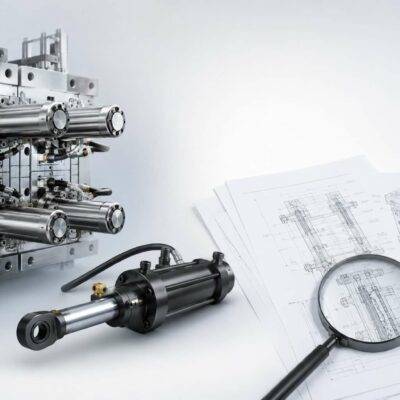
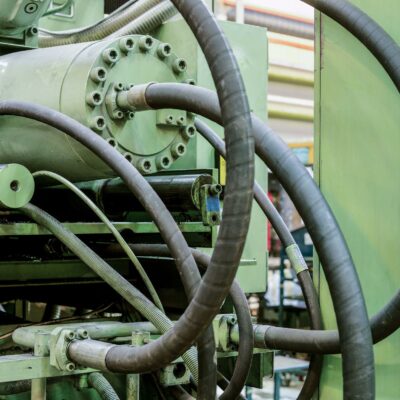
Hydraulic technology continues to play a critical role in many advanced stack mold applications.
Hydraulic cylinders are frequently used for:
- core pulling systems;
- unscrewing mechanisms;
- locking systems;
- sequential operations;
- specialized mold movements.
Because stack molds operate at extremely high productivity levels, component reliability becomes particularly important.
Even minor interruptions can significantly impact production economics.
For this reason, mold manufacturers often require hydraulic components capable of operating reliably over millions of production cycles.
What Mold Manufacturers Can Learn
Productivity Creates Competitive Advantage
Manufacturers increasingly compete on production efficiency rather than production capacity alone.
Engineering Complexity Creates Value
Advanced manufacturing technologies require multidisciplinary expertise.
Reliability Remains Essential
High productivity is valuable only when combined with long-term operational stability.
Innovation Never Stops
Continuous technological development remains essential for maintaining market leadership.
Looking Ahead
The future of injection mold manufacturing will continue to emphasize:
- higher productivity;
- increased automation;
- digital manufacturing;
- sustainability;
- intelligent tooling systems.
The evolution of stack mold technology demonstrates how engineering innovation can fundamentally transform industrial manufacturing.
About this series
Mold Makers of the World is an independent editorial project created by Vega Cylinders to document and celebrate excellence in the global mold manufacturing industry. If you represent this company and wish to provide corrections, additional information or official images, we would be pleased to update this article.
Disclaimer: This article is an independent editorial publication created for educational and industrial information purposes. All trademarks and company names belong to their respective owners.