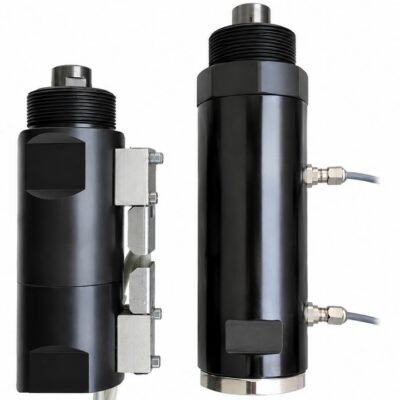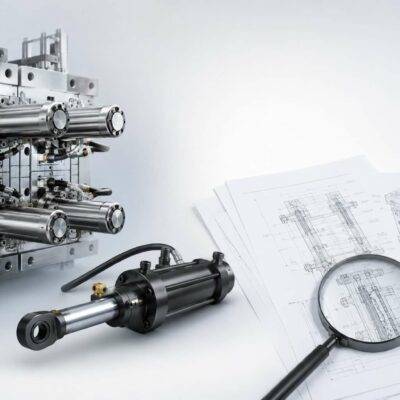

Hydraulic cylinders are designed to operate reliably for millions of cycles. When one suddenly locks inside an injection mold, the immediate reaction is often to find the quickest way to get production running again.
Technicians may attempt to rotate the piston rod with a wrench, apply additional hydraulic pressure or manually force the cylinder free.
Although these methods may temporarily restore movement, they rarely solve the real problem.
A real engineering case handled by the Vega Technical Department demonstrates why every locking event should be treated as a symptom rather than the actual failure.
A Cylinder That Locked Without Any Visible Damage
An injection mold manufacturer reported that one of the hydraulic cylinders had become completely locked during dry testing.
The cylinder had previously completed approximately 200 idle cycles correctly and continued operating normally throughout mold assembly.
Only during the final dry cycle before production did one cylinder suddenly stop moving while the second cylinder continued operating normally.
This immediately ruled out several possible causes:
- insufficient hydraulic pressure;
- incorrect bleeding;
- defective hydraulic connections;
- incorrect installation sequence.
The problem appeared only after the mold was fully assembled.
The First Reaction Is Often the Wrong One
Because removing the cylinder from the mold required considerable disassembly, the customer suggested reproducing a procedure previously used during trials in Australia.
The proposal was simple:
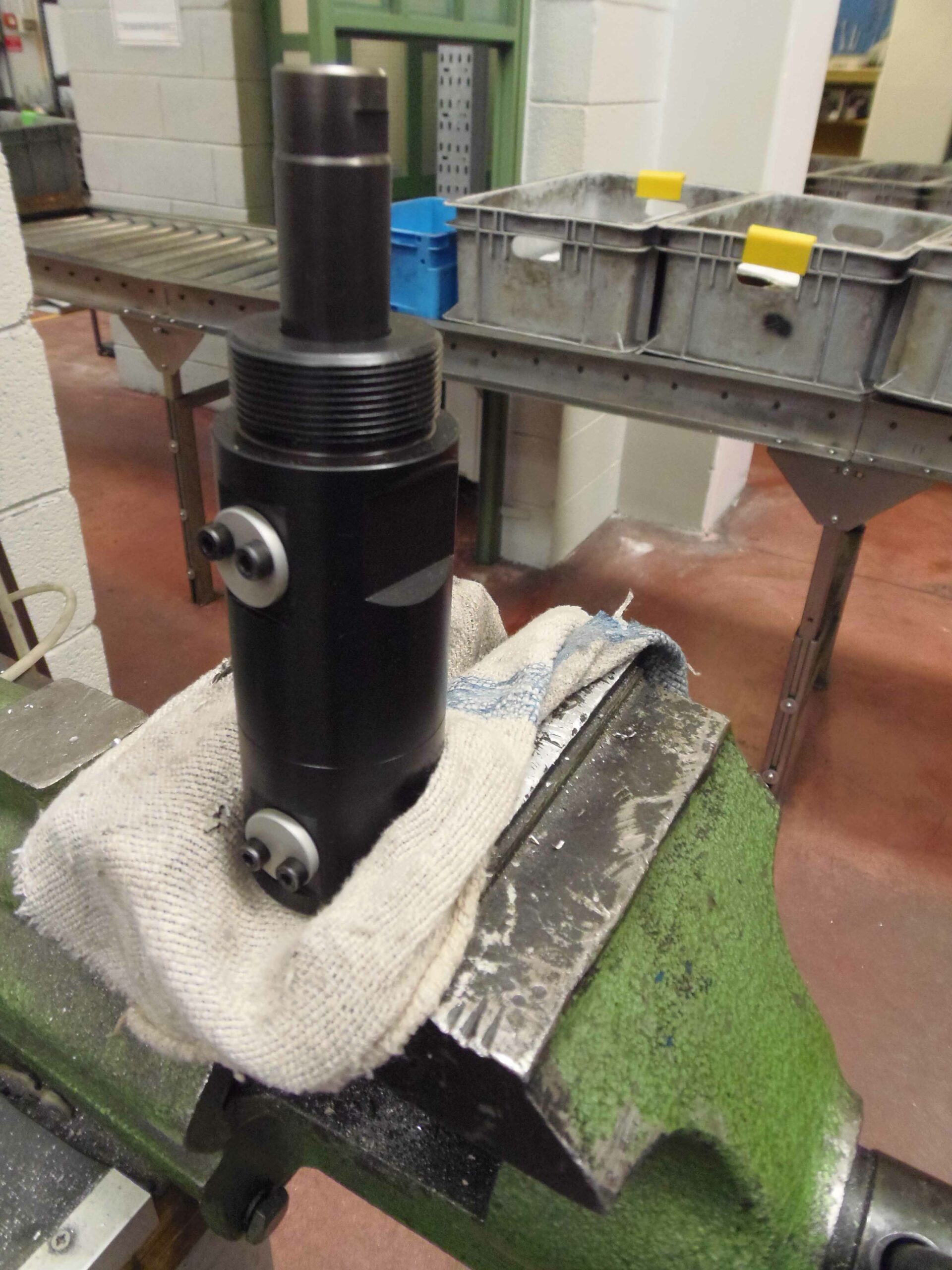
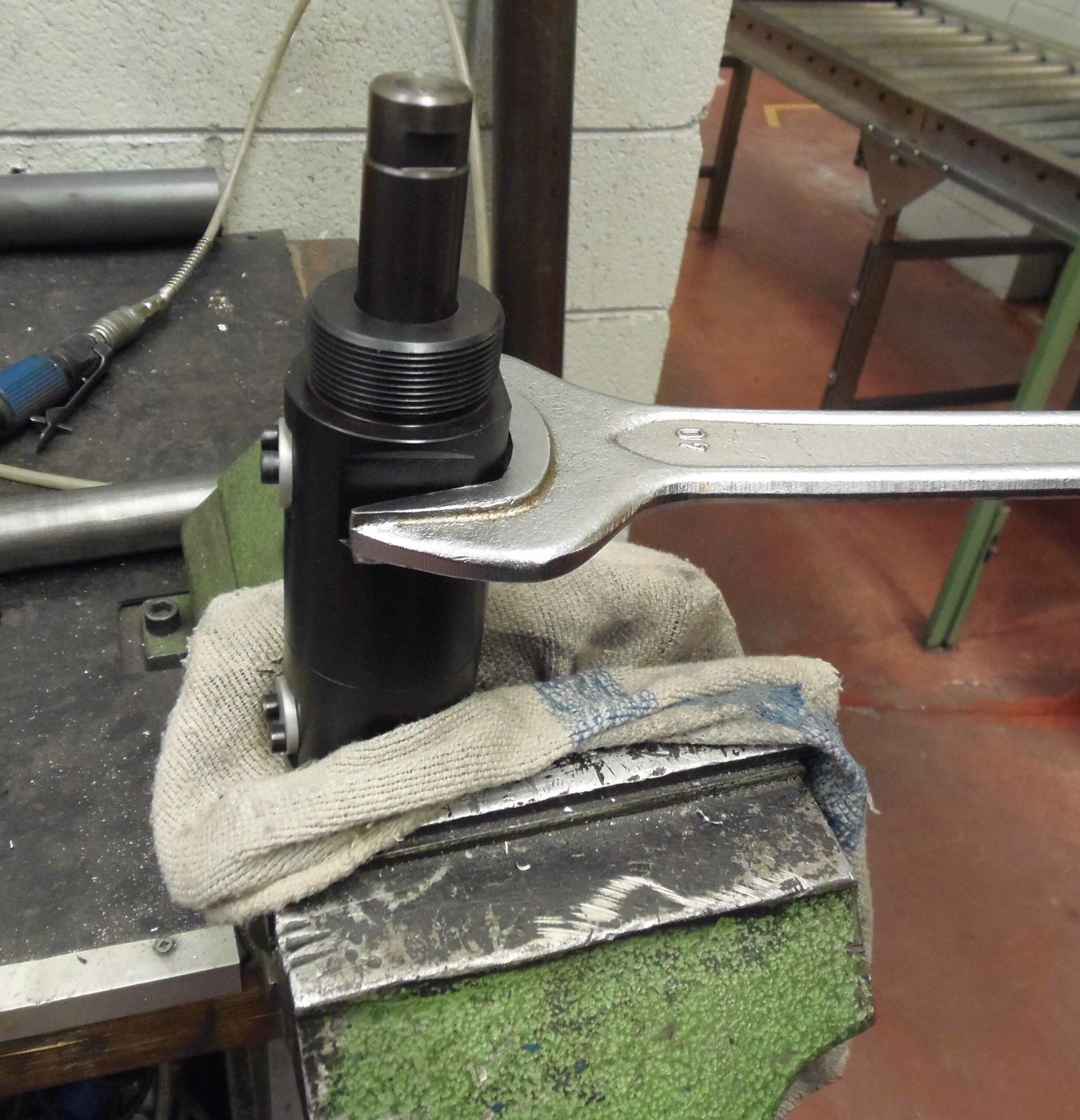
Rotate the piston rod slightly clockwise or counter-clockwise using a wrench.
Previously this operation had released the locked cylinder.
From a production standpoint, the proposal was understandable.
From an engineering standpoint, however, it was only addressing the symptom.
Why Rotating the Rod Is Not a Permanent Solution
The Vega Technical Department explained that unlocking the cylinder by twisting the piston rod might temporarily release the mechanism, but it could never identify the real reason why the cylinder had locked.
Instead, the engineering team proposed a structured troubleshooting procedure:
- Remove the cylinder from the mold.
- Secure the rear body.
- Loosen the front body by approximately 10°.
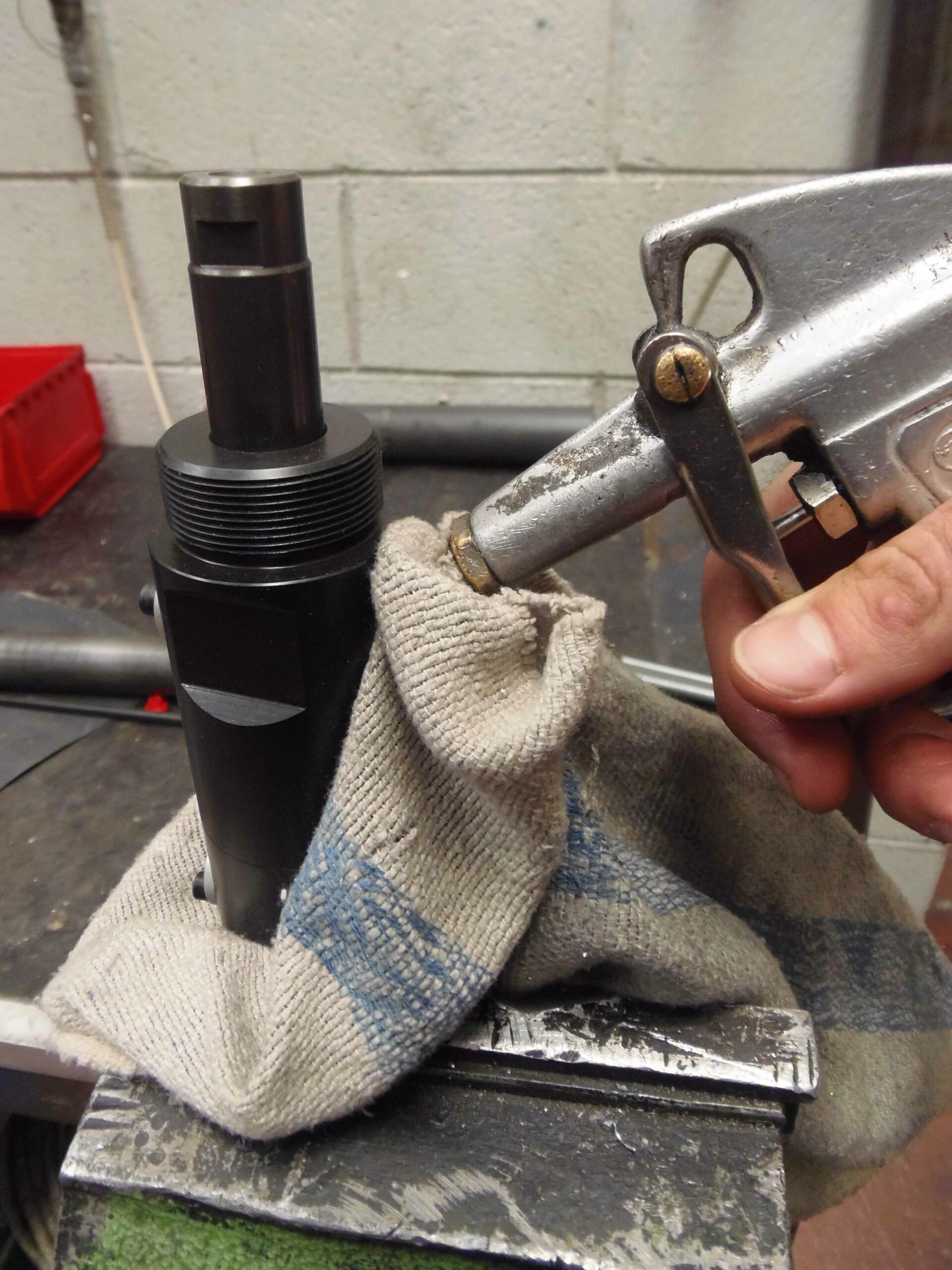
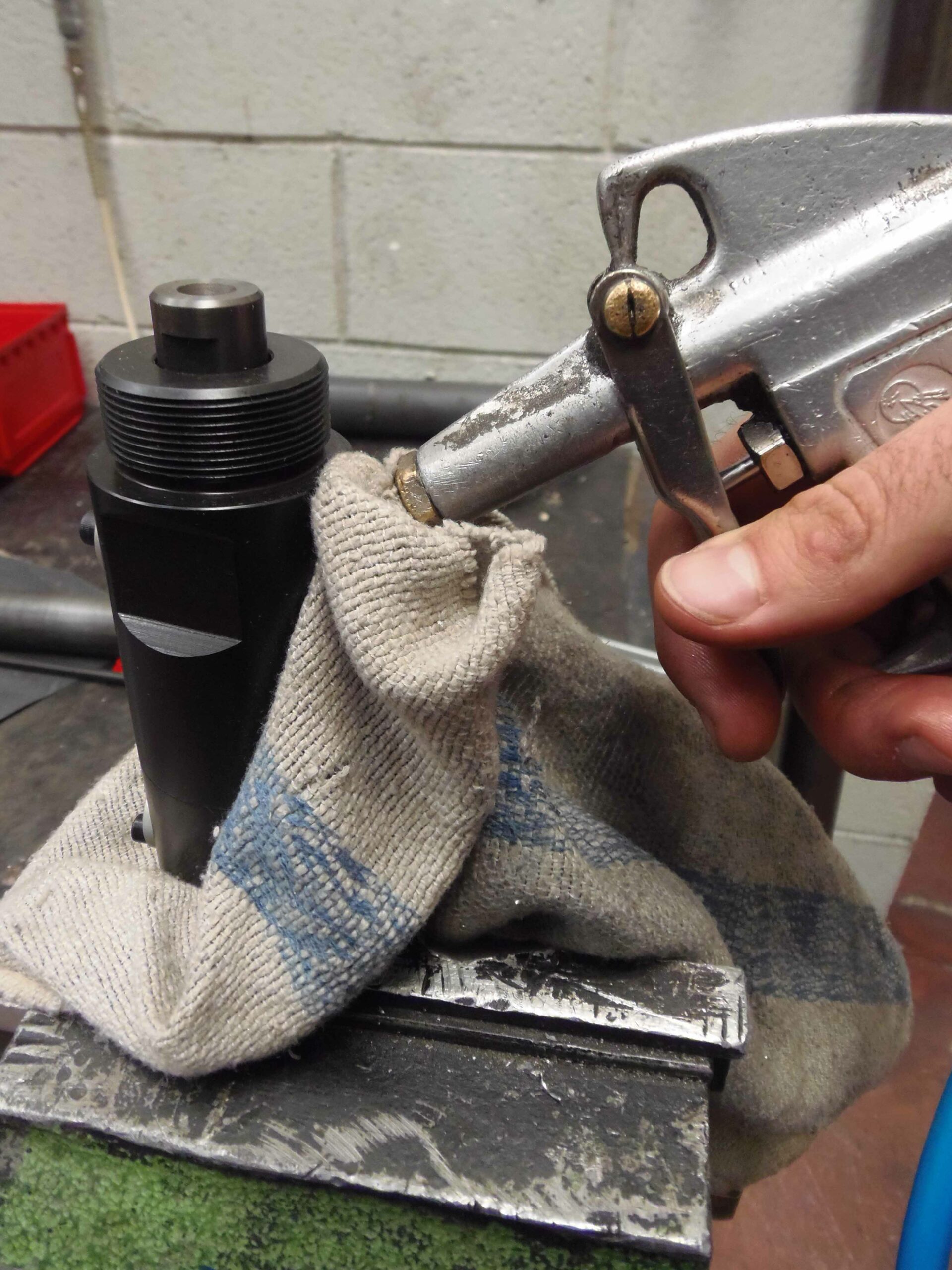
- Apply compressed air to move the piston.
- Reassemble and test the cylinder again.
Only if the piston still remained locked would complete disassembly become necessary.
This systematic approach avoids damaging components while preserving valuable evidence for the failure analysis.
Engineering Always Begins With Questions
Rather than immediately modifying the cylinder design, the Vega Technical Department requested additional technical information.
The engineering team asked for:
- detailed mold drawings;
- the exact installation area;
- forces acting on the cylinder;
- operating temperature;
- the original cylinders for inspection.
The objective was not simply repairing one cylinder.
It was understanding why the cylinder had locked.
Small Details Can Completely Change the Diagnosis
One particularly interesting observation made by the engineering team was that the cylinder involved was not a standard hydraulic cylinder.
It was a V260 model containing dedicated internal mechanical components.
Because of its specialised construction, engineers unfamiliar with this product could easily overlook the real cause of the failure.
The Vega Technical Department also pointed out that hundreds of these cylinders had already been successfully installed worldwide, meaning that apparently insignificant installation details could become the decisive factor.
A Locked Cylinder Is Often Not the Real Failure
Hydraulic cylinder locking can originate from many different sources, including:
- side loads generated by mold misalignment;
- thermal expansion;
- incorrect installation tolerances;
- residual mechanical stresses;
- deformation of mold components;
- interference between moving parts;
- incorrect assembly procedures.
In many situations the hydraulic cylinder itself is functioning correctly.
The surrounding mechanical system creates operating conditions that eventually prevent normal movement.
Replacing the cylinder without eliminating these external causes frequently leads to the same failure occurring again.
The Difference Between Troubleshooting and Engineering
Production departments naturally focus on restoring operation as quickly as possible.
Engineering departments focus on preventing the failure from returning.
Although both objectives are important, they require different approaches.
A temporary unlocking procedure may restart production for a few hours.
A complete root cause analysis may eliminate the problem permanently.
This philosophy explains why the Vega Technical Department preferred receiving the original cylinders for inspection before recommending any design modification or replacement.
Conclusion
A hydraulic cylinder that suddenly locks inside an injection mold should never be considered an isolated failure.
It is usually the visible consequence of another mechanical, hydraulic or installation problem.
This engineering case demonstrates the importance of resisting the temptation to apply quick fixes before understanding the real cause.
By analysing the complete mold assembly, requesting detailed installation data and inspecting the original cylinders, the Vega Technical Department followed a structured engineering methodology capable of identifying the true root cause instead of merely treating the symptom.
In hydraulic engineering, solving the visible problem is only the beginning.
Understanding why it happened is what prevents it from happening again.
Related Articles
- Hydraulic Core Pulling Guide
https://www.icvega.com/promoting/hydraulic-core-pulling-guide - Hydraulic Cylinder Misalignment: The Hidden Cause of Broken Rods
https://www.icvega.com/support/hydraulic-cylinder-misalignment-the-hidden-cause-of-broken-rods - Hydraulic Cushioning in Injection Mold Cylinders
https://www.icvega.com/support/hydraulic-cushioning-in-injection-mold-cylinders - How to Calculate the Correct Hydraulic Cylinder Size for Injection Molds
https://www.icvega.com/support/how-to-calculate-the-correct-hydraulic-cylinder-size-for-injection-molds - You Can’t Calculate a Force Until You Understand the Movement
https://www.icvega.com/support/you-cant-calculate-a-force-until-you-understand-the-movement