The Future of Packaging Machinery Beyond Interpack 2026: What Manufacturers Should Expect by 2030
The packaging industry is evolving faster than ever before. While Interpack 2026 will showcase the latest innovations in automation, robotics and sustainable manufacturing, many of the technologies presented at the exhibition will continue to shape industrial production throughout the remainder of the decade.
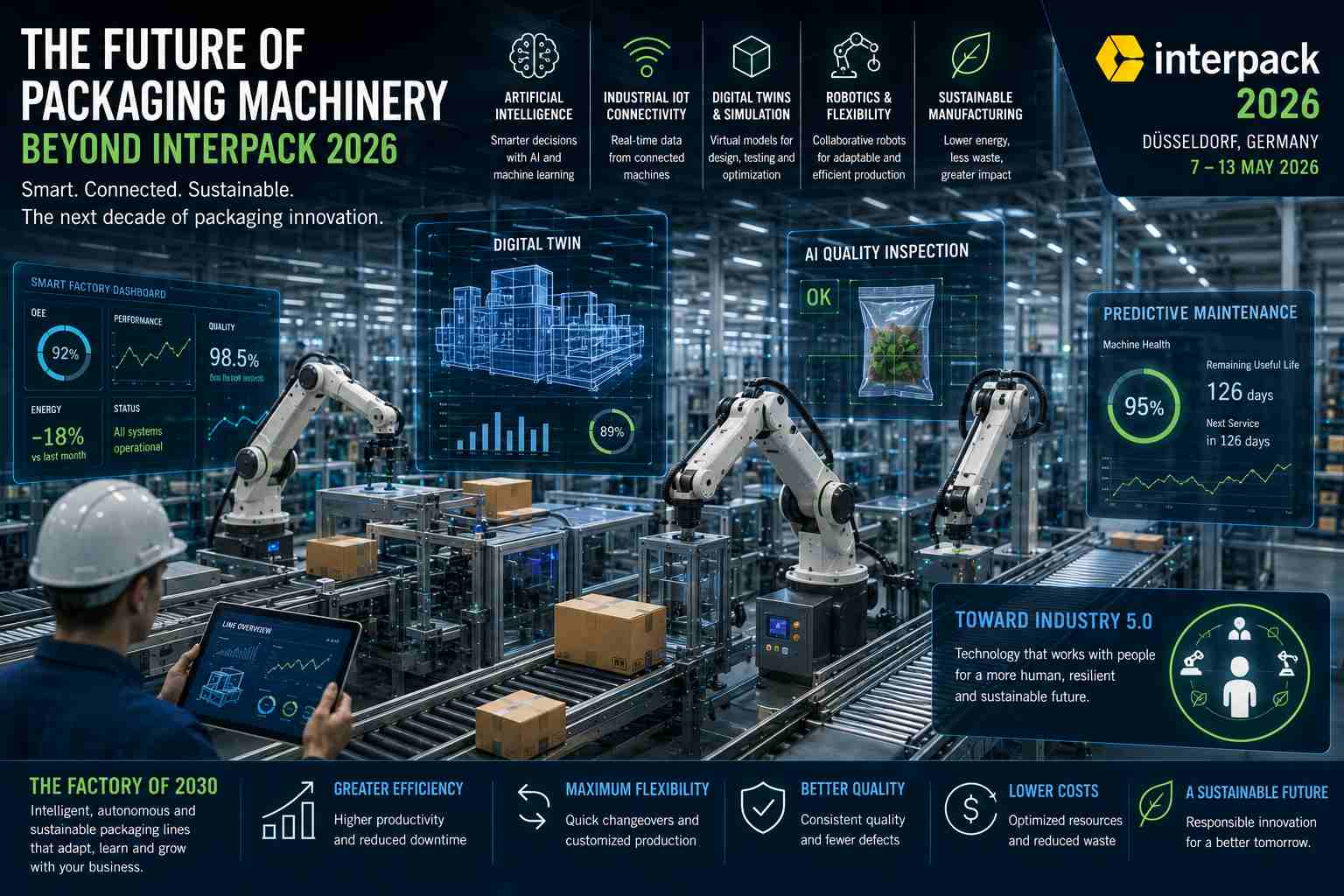
By 2030, packaging machinery is expected to become more intelligent, autonomous, energy-efficient and connected than ever before. Artificial Intelligence, digital engineering, advanced motion systems and sustainable design principles are no longer emerging concepts—they are becoming the foundation of next-generation manufacturing.
For machine builders, packaging companies and component suppliers, understanding these long-term trends is essential for remaining competitive in an increasingly demanding global market.
Artificial Intelligence Will Become Standard
Artificial Intelligence is expected to move from optional technology to standard equipment.
Future packaging machines will continuously:
- optimize production parameters
- predict maintenance needs
- reduce energy consumption
- improve product quality
- automatically adjust machine settings
- learn from previous production cycles
Instead of simply automating processes, AI will increasingly support autonomous decision-making.
Fully Connected Smart Factories
Future packaging facilities will operate as fully connected digital ecosystems.
Every machine, robot and production line will exchange information through Industrial IoT platforms.
Real-time monitoring will include:
- machine performance
- energy usage
- product quality
- maintenance status
- production scheduling
- logistics integration
Factories will become more transparent and easier to optimize.
Digital Twins Will Reduce Development Time
Digital Twin technology will continue expanding across every stage of machine development.
Manufacturers will simulate:
- complete production lines
- machine layouts
- product changeovers
- maintenance procedures
- operator training
- energy performance
Virtual engineering will significantly reduce commissioning time while lowering investment risks.
Robotics Will Become More Flexible
Industrial robots will become easier to deploy and increasingly collaborative.
Future robotic systems will provide:
- automatic programming
- AI-assisted path optimization
- adaptive gripping
- vision-guided positioning
- safer collaboration with operators
Smaller production batches will become economically viable.
Sustainable Manufacturing
Environmental responsibility will remain one of the strongest drivers of innovation.
Packaging machinery will increasingly prioritize:
- lower energy consumption
- recyclable materials
- reduced waste
- optimized resource usage
- carbon footprint reduction
- circular economy principles
Sustainability will become a key competitive differentiator.
Motion Control Will Continue Evolving
Although software receives much attention, precision mechanics will remain fundamental.
Future motion systems will combine:
- servo technology
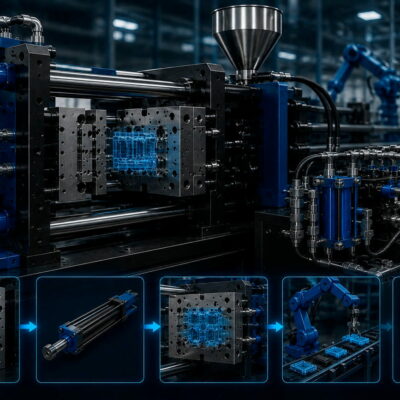
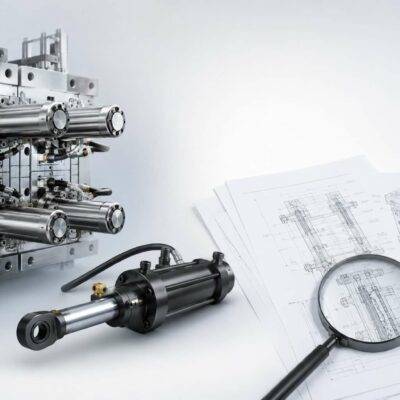
- hydraulic cylinders
- electric actuators
- linear motion systems
- intelligent sensors
- predictive diagnostics
Reliable mechanical engineering will continue supporting advanced digital automation.
Predictive Maintenance Everywhere
Maintenance will become increasingly proactive.
Machine learning algorithms will predict failures by analyzing:
- vibration
- temperature
- pressure
- torque
- motor currents
- production cycles
Unexpected downtime will become progressively less common.
Human-Centered Automation
Industry 5.0 emphasizes collaboration rather than replacement.
Future packaging factories will empower operators through:
- augmented reality
- AI assistants
- collaborative robots
- digital work instructions
- intelligent safety systems
Technology will enhance human expertise rather than replace it.
Greater Flexibility
Manufacturers increasingly require production systems capable of handling:
- smaller production batches
- customized products
- rapid changeovers
- mixed packaging formats
- shorter product life cycles
Flexible automation will become essential for competitiveness.
The Packaging Factory of 2030
The packaging factory of the future will combine:
- Artificial Intelligence
- collaborative robotics
- Digital Twins
- Industrial IoT
- predictive maintenance
- smart sensors
- sustainable engineering
- precision motion control
Every production system will become more connected, autonomous and efficient.
Frequently Asked Questions
What will packaging machinery look like by 2030?
Future machines will combine AI, robotics, smart sensors, Digital Twins and Industrial IoT to deliver highly autonomous production.
Will AI replace packaging engineers?
No. AI will support engineers by improving decision-making and automation while human expertise remains essential.
Will sustainability continue driving innovation?
Yes. Energy efficiency, recyclable materials and circular economy solutions are expected to remain top priorities.
Will robotics continue expanding?
Absolutely. Collaborative robots and AI-guided automation are expected to become increasingly common across packaging production.
Why is Interpack important for future technologies?
Interpack provides one of the world’s best opportunities to discover innovations that will shape packaging manufacturing over the coming decade.
Looking Ahead
Interpack 2026 represents more than an exhibition—it offers a preview of the future of industrial manufacturing.
The technologies presented throughout the event demonstrate that packaging machinery is evolving toward greater intelligence, flexibility, sustainability and connectivity.
Companies that begin adopting these innovations today will be better positioned to compete in tomorrow’s increasingly digital manufacturing environment.