Company Snapshot
| Country | Germany |
| Industry | Toolmaking and Injection Mold Manufacturing |
| Main Markets | Automotive, Medical, Industrial |
| Core Expertise | Precision Tooling, Injection Molds, Automation |
| Applications | Automotive Components, Technical Parts, Medical Devices |
Introduction
The global automotive industry depends on thousands of highly specialized suppliers working behind the scenes.
Among these, tooling companies occupy a particularly important position because every plastic component, technical part, and assembly process ultimately depends on precision manufacturing tools.
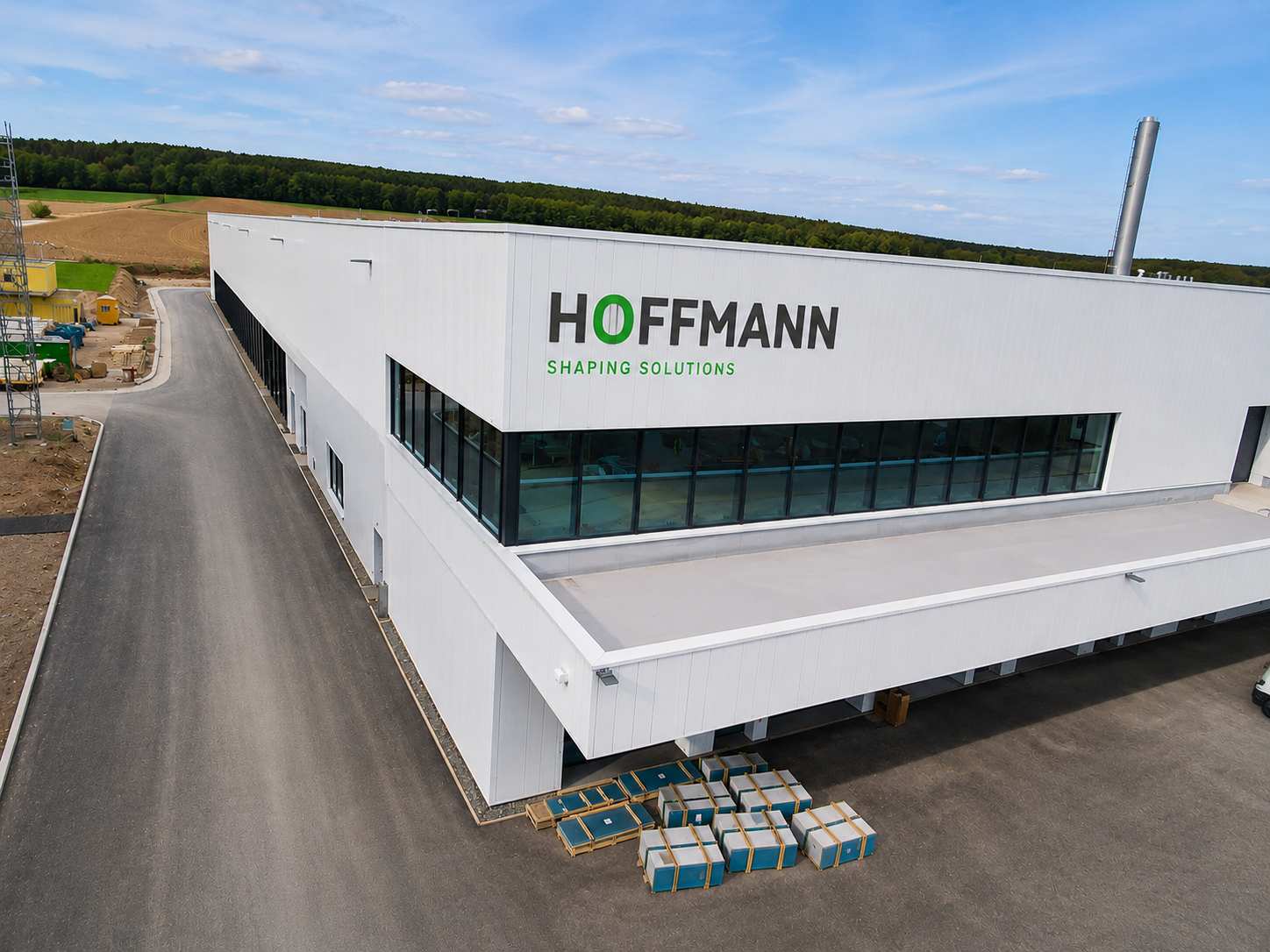
Hofmann Innovation Group represents one of Germany’s most interesting examples of how engineering expertise, technological investment, and long-term strategic thinking can create sustainable industrial success.
Today, the company is recognized internationally for its capabilities in tooling, automation, engineering, and advanced manufacturing solutions.
Building an Engineering Culture
One of the defining characteristics of successful German industrial companies is their ability to combine traditional engineering values with continuous technological innovation.
Companies operating in highly competitive industries cannot rely solely on manufacturing capacity.
Instead, they develop expertise in:
- Product engineering
- Tool design
- Manufacturing technology
- Process optimization
- Automation
- Quality assurance
This engineering culture creates long-term competitive advantages that become increasingly difficult to replicate.
Automotive Manufacturing Requires Precision
The automotive industry remains one of the world’s most demanding manufacturing sectors.
Suppliers must continuously improve:
- Quality
- Productivity
- Reliability
- Traceability
- Cost efficiency
Even minor variations in tooling performance can influence production quality, assembly operations, and manufacturing costs.
As a result, automotive tooling companies invest heavily in engineering, simulation, testing, and validation technologies.
The ability to maintain high performance over millions of production cycles remains one of the industry’s greatest challenges.
Beyond Tool Manufacturing
Modern tooling companies no longer operate exclusively as manufacturers.
Increasingly, they function as engineering partners.
Customers often expect support in:
- Product development
- Design optimization
- Material selection
- Production planning
- Automation integration
- Validation processes
This transformation has fundamentally changed the role of tooling companies within global manufacturing supply chains.
Digital Manufacturing and Industry 4.0
The adoption of digital technologies has transformed modern manufacturing.
Today’s tooling companies utilize:
- CAD/CAM systems
- Mold flow analysis
- Virtual simulations
- Automated machining
- Coordinate metrology
- Production monitoring
These technologies allow manufacturers to reduce development time while improving product quality and production efficiency.
However, technological investment alone is insufficient.
Competitive advantage still depends on engineering knowledge and practical manufacturing experience.
Reliability as a Competitive Advantage
Automotive production environments operate continuously and require exceptional reliability.
For this reason, every component used inside production tooling systems must satisfy demanding performance requirements.
Manufacturers evaluate:
- Service life
- Repeatability
- Maintainability
- Performance stability
- Operational safety
The reliability of each component contributes directly to overall production efficiency.
The Role of Hydraulic Technology in Automotive Tooling
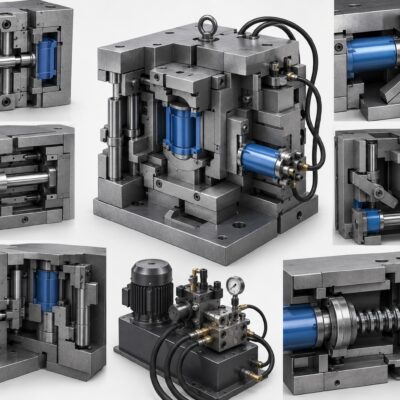
Hydraulic systems continue to play an important role in advanced tooling applications.
Hydraulic cylinders are frequently used for:
- Core pulling systems
- Slide mechanisms
- Locking systems
- Sequential movements
- Specialized mold functions
As molds become more compact and complex, hydraulic solutions must combine reliability, precision, and reduced installation dimensions.
Even small improvements in hydraulic system performance can contribute significantly to overall production efficiency.
What Manufacturers Can Learn
Engineering Expertise Creates Value
Manufacturing capability alone is rarely sufficient.
Engineering knowledge increasingly determines competitive advantage.
Long-Term Investment Matters
Sustainable growth requires continuous technological development.
Reliability Drives Productivity
Manufacturing success ultimately depends on consistency and reliability.
Innovation Never Stops
Markets evolve continuously, requiring constant adaptation.
Looking Ahead
The future of tooling and mold manufacturing will continue to be shaped by automation, digital engineering, artificial intelligence, and increasing demands for sustainability.
Companies such as Hofmann Innovation Group demonstrate how engineering excellence, technological investment, and strategic specialization can create long-term industrial success.
Their experience illustrates an important lesson for all manufacturers: while technologies change, engineering expertise remains one of industry’s most valuable assets.
About this series
Mold Makers of the World is an independent editorial project created by Vega Cylinders to document and celebrate excellence in the global mold manufacturing industry. If you represent this company and wish to provide corrections, additional information or official images, we would be pleased to update this article.
Disclaimer: This article is an independent editorial publication created for educational and industrial information purposes. All trademarks and company names belong to their respective owners.