Introduction
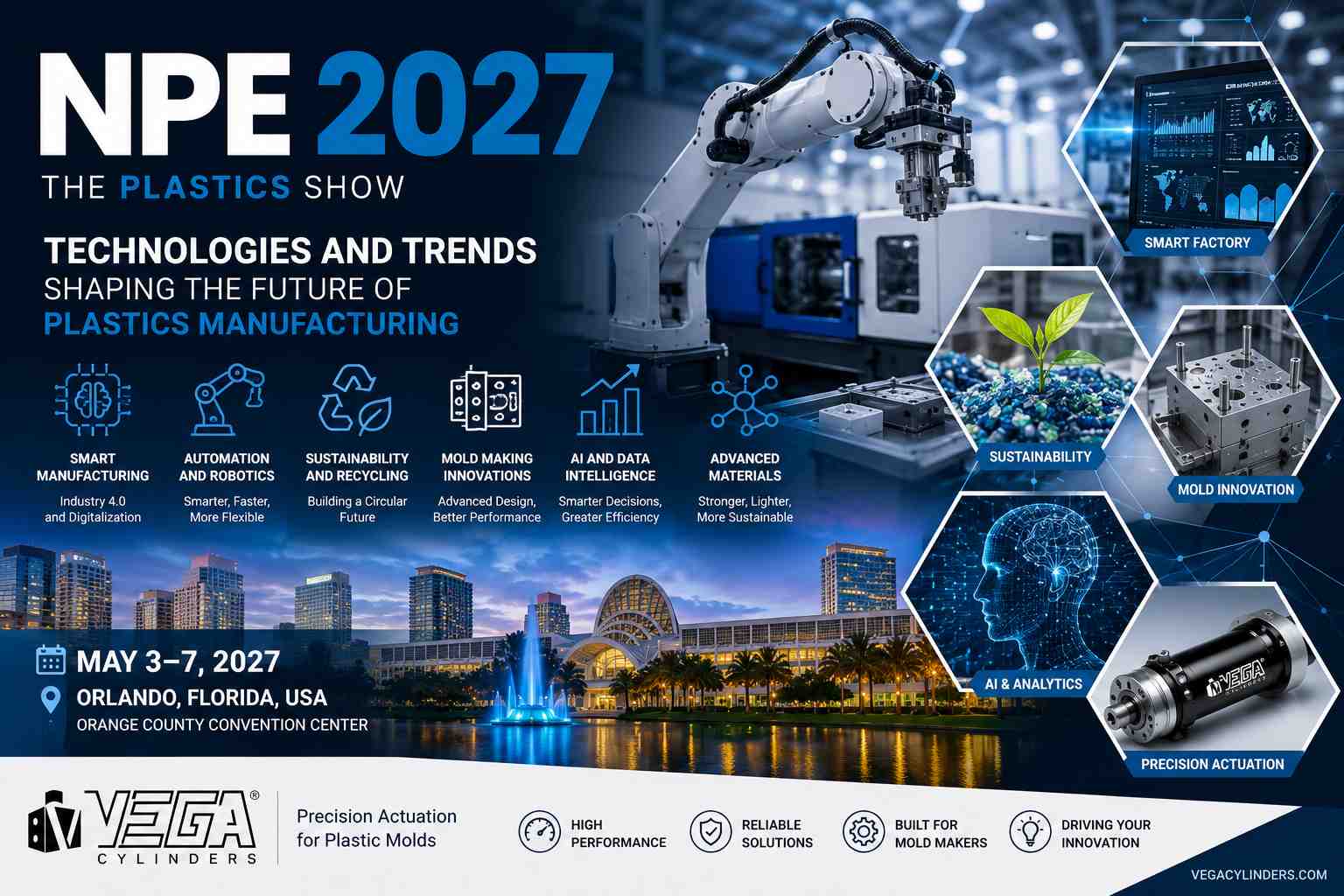
The plastics industry is evolving faster than ever. Manufacturers face growing pressure to improve efficiency, reduce costs, increase sustainability, and adapt to rapidly changing market demands. As the industry’s largest event in North America, NPE 2027 will provide a unique window into the technologies and innovations shaping the future of plastics manufacturing.
From artificial intelligence and smart factories to advanced mold technologies and sustainable materials, NPE 2027 will showcase solutions designed to help manufacturers remain competitive in an increasingly complex global market.
This guide explores the key technology trends visitors should watch during the exhibition.
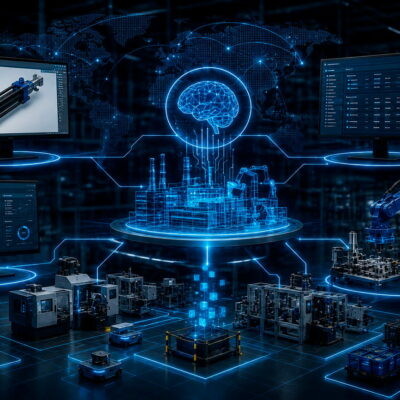
Smart Manufacturing and Industry 4.0
Industry 4.0 continues to transform plastics manufacturing.
Connected machines, sensors, cloud-based monitoring systems, and real-time analytics are helping companies improve productivity while reducing downtime and waste.
At NPE 2027, visitors can expect to see:
- Connected injection molding machines
- Real-time production monitoring
- Digital dashboards
- Cloud-based manufacturing platforms
- Machine-to-machine communication
- Production analytics systems
Manufacturers are increasingly seeking complete visibility into their operations, allowing them to identify inefficiencies and make data-driven decisions.
Artificial Intelligence in Plastics Manufacturing
Artificial intelligence is becoming a powerful tool for manufacturers.
AI systems can analyze vast amounts of production data and identify patterns that would be difficult for operators to detect manually.
Applications include:
- Process optimization
- Quality prediction
- Defect detection
- Maintenance forecasting
- Production scheduling
- Energy management
AI-driven systems are expected to become a major attraction at NPE 2027 as suppliers demonstrate how machine learning can improve operational performance.
Advanced Injection Molding Technologies
Injection molding remains the backbone of the plastics industry.
Machine manufacturers continue to focus on:
- Faster cycle times
- Greater precision
- Reduced energy consumption
- Improved repeatability
- Easier automation integration
Visitors should expect to see advances in:
Multi-Component Molding
Manufacturing multiple materials or colors in a single cycle.
Thin-Wall Molding
Improving efficiency for packaging applications.
High-Speed Molding
Increasing productivity while maintaining part quality.
Scientific Molding
Using data and process control to improve consistency and reduce defects.
Automation and Robotics
Labor shortages continue to drive automation investments worldwide.
Modern manufacturing cells increasingly combine:
- Injection molding machines
- Robots
- Vision systems
- Conveyors
- Automated packaging
At NPE 2027, robotics suppliers are expected to showcase:
Collaborative Robots (Cobots)
Designed to work safely alongside human operators.
Six-Axis Robots
Providing maximum flexibility for part handling and secondary operations.
Fully Automated Cells
Reducing labor requirements while improving production consistency.
Automation is no longer viewed as a luxury but as a necessity for many manufacturers.
Mold Design and Tooling Innovations
The mold remains one of the most critical components in plastics manufacturing.
Even small improvements in mold performance can generate significant productivity gains.
Key areas to watch include:
Advanced Cooling Technologies
Better cooling design can dramatically reduce cycle times.
Conformal Cooling
Produced through additive manufacturing, conformal cooling channels improve temperature control and part quality.
Hot Runner Innovations
New hot runner systems continue to improve material flow while reducing waste.
Mold Monitoring Systems
Sensors integrated into molds provide valuable information regarding temperature, pressure, cycle count, and maintenance requirements.
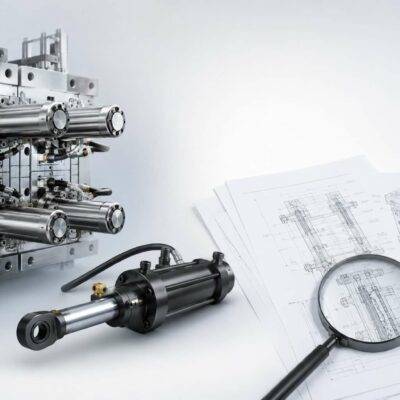
Hydraulic and Pneumatic Actuation Systems
Mold actuation technologies continue to evolve.
Modern injection molds often incorporate:
- Hydraulic cylinders
- Pneumatic cylinders
- Core pull systems
- Unscrewing mechanisms
- Valve gate actuators
Manufacturers increasingly seek solutions that offer:
- Compact dimensions
- High reliability
- Easy maintenance
- Faster operation
- Longer service life
Companies specializing in mold actuation technologies will likely introduce new products focused on improving mold performance and reducing downtime.
Sustainability and Circular Economy
Sustainability remains one of the most important themes in the plastics industry.
Regulatory requirements, customer expectations, and environmental concerns are driving investment in more sustainable manufacturing practices.
At NPE 2027, visitors should expect significant attention on:
Recycled Materials
Increasing use of post-consumer and post-industrial recycled content.
Bioplastics
Alternative materials designed to reduce environmental impact.
Waste Reduction
Technologies aimed at minimizing scrap generation.
Energy Efficiency
Equipment designed to reduce power consumption while maintaining productivity.
Sustainability initiatives are no longer optional for many manufacturers and are becoming a key competitive advantage.
Recycling Technologies
The recycling sector continues to grow rapidly.
Visitors can expect to see innovations in:
- Sorting technologies
- Material separation
- Washing systems
- Pelletizing equipment
- Chemical recycling
- Mechanical recycling
These technologies play a critical role in supporting circular economy objectives across the plastics industry.
Predictive Maintenance and Condition Monitoring
Unplanned downtime remains one of the most expensive challenges facing manufacturers.
Predictive maintenance systems help companies detect problems before failures occur.
Common technologies include:
- Vibration monitoring
- Temperature monitoring
- Oil condition analysis
- Pressure monitoring
- AI-based diagnostics
The adoption of predictive maintenance is expected to accelerate significantly over the coming years.
Additive Manufacturing and Hybrid Production
Additive manufacturing continues to expand its role within plastics processing.
Applications include:
- Prototype production
- Tooling inserts
- Conformal cooling channels
- Low-volume production
- Spare parts manufacturing
Many exhibitors are expected to demonstrate how additive manufacturing can complement traditional molding processes rather than replace them.
What Mold Makers Should Focus On
For mold makers, NPE 2027 offers opportunities to explore:
- Faster cooling technologies
- Mold monitoring systems
- Hydraulic actuation solutions
- Hot runner innovations
- Maintenance technologies
- Additive manufacturing applications
Reducing cycle times and improving reliability remain the primary objectives for most mold builders.
What Injection Molders Should Focus On
Processors should pay particular attention to:
- Energy-efficient machinery
- Automation systems
- AI-powered process control
- Material innovations
- Predictive maintenance solutions
- Digital manufacturing technologies
The goal is to increase productivity while maintaining quality and reducing operating costs.
The Future of Plastics Manufacturing
The future of plastics manufacturing will be defined by connectivity, automation, sustainability, and data-driven decision making.
Companies that successfully embrace these technologies will be better positioned to compete in increasingly demanding global markets.
NPE 2027 will provide a valuable opportunity to evaluate emerging technologies, learn from industry leaders, and identify practical solutions that can drive business growth for years to come.
For anyone involved in plastics manufacturing, mold making, automation, or materials development, the technologies on display at NPE 2027 will offer a glimpse into the future of the industry.