Why Sustainable Packaging Is Reshaping Global Manufacturing
Sustainability has become one of the most important priorities for the global packaging industry. Consumers, governments and manufacturers are all demanding packaging solutions that reduce environmental impact while maintaining high performance and production efficiency.
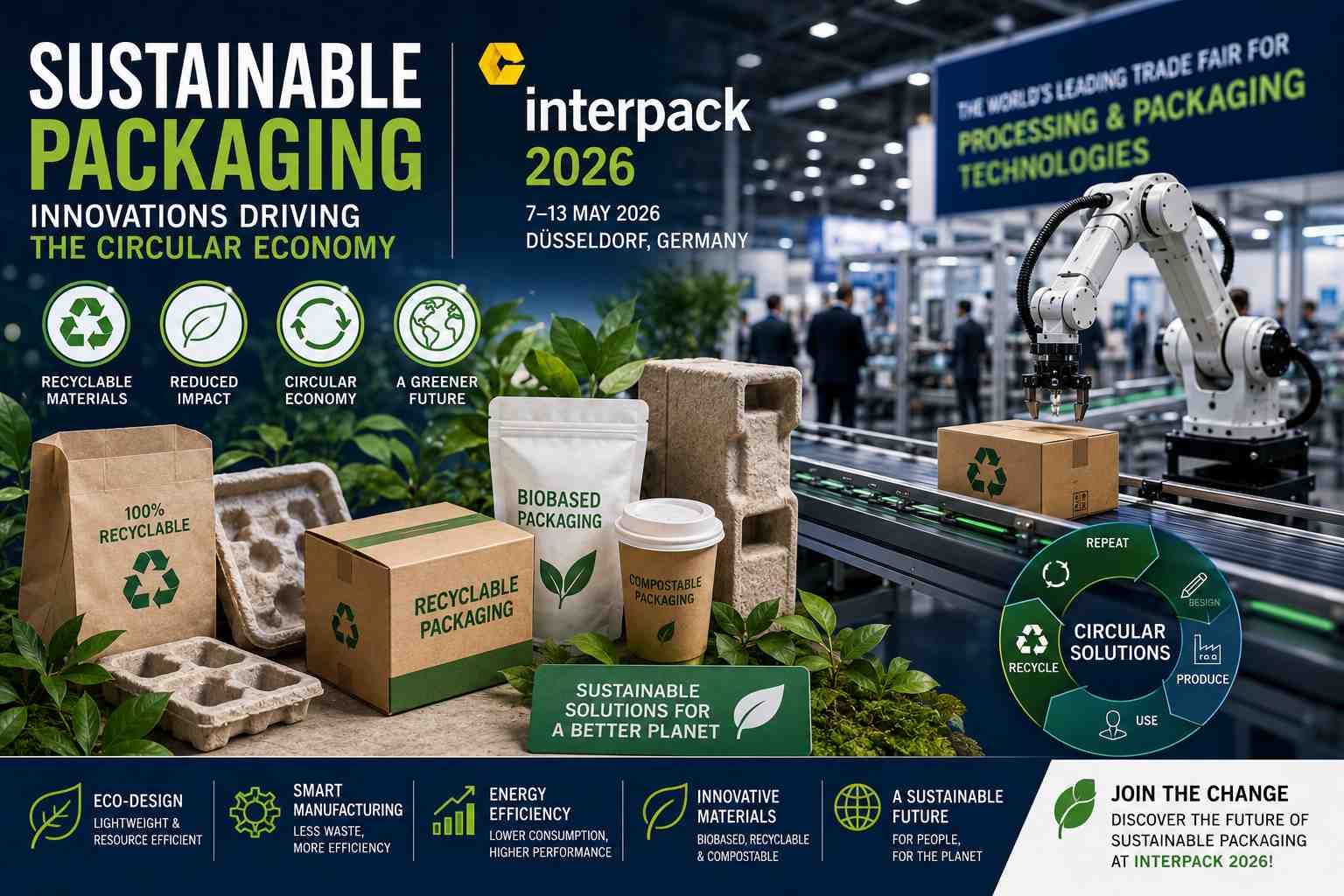
As the world’s leading trade fair for processing and packaging technologies, Interpack 2026 is expected to showcase the latest innovations in sustainable packaging, recyclable materials and energy-efficient manufacturing.
From 7 to 13 May 2026, Düsseldorf will become the meeting point for packaging professionals seeking solutions that support the transition toward a circular economy.
Why Sustainability Is Becoming a Competitive Advantage
Sustainability is no longer just about environmental responsibility.
For manufacturers, it also means:
- reducing raw material costs
- improving production efficiency
- lowering energy consumption
- minimizing production waste
- complying with international regulations
- strengthening brand reputation
Companies that invest in sustainable technologies often achieve both environmental and economic benefits.
Packaging Trends Expected at Interpack 2026
Several major trends are expected to dominate the exhibition.
Recyclable Mono-Material Packaging
Manufacturers are replacing complex multi-layer packaging with mono-material solutions that are easier to recycle.
Benefits include:
- simpler recycling
- reduced waste
- lower environmental impact
- improved material recovery
Paper-Based Packaging Solutions
Paper continues to replace plastic in many applications.
Expected innovations include:
- fiber-based food packaging
- molded pulp solutions
- paper cushioning
- sustainable transport packaging
Paper technologies continue to improve barrier properties while reducing environmental impact.
Bioplastics and Compostable Materials
The use of biodegradable materials continues to expand.
Visitors may discover:
- compostable films
- bio-based polymers
- renewable raw materials
- industrial composting solutions
Although not suitable for every application, bioplastics remain an important area of research.
Lightweight Packaging Design
Reducing packaging weight is one of the simplest ways to improve sustainability.
Benefits include:
- lower material consumption
- reduced transportation costs
- lower CO₂ emissions
- improved logistics efficiency
Modern design software allows manufacturers to optimize packaging while maintaining strength and performance.
Smart Manufacturing Supports Sustainability
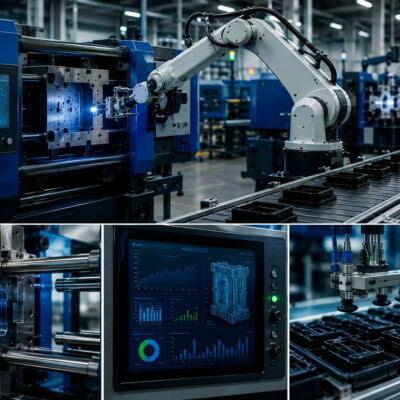
Automation plays a crucial role in reducing waste.
Modern production systems use:
- AI-driven optimization
- real-time monitoring
- predictive maintenance
- automated quality inspection
- digital production analytics
These technologies help manufacturers reduce defective products and optimize resource consumption.
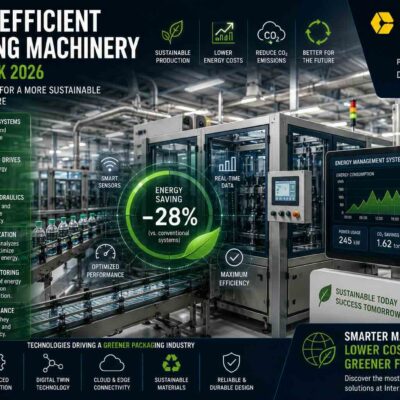
Energy-Efficient Packaging Machinery
Packaging equipment is becoming increasingly efficient.
Manufacturers are investing in:
- servo-driven systems
- intelligent motion control
- variable-speed drives
- energy monitoring
- optimized production cycles
Every reduction in energy consumption contributes to lower operating costs and reduced carbon emissions.
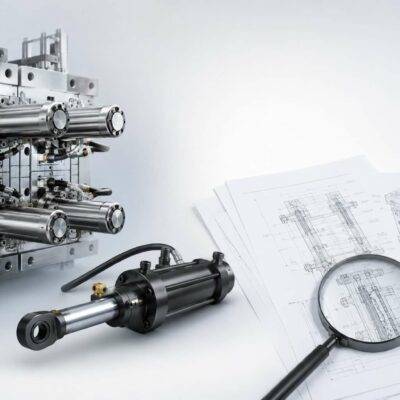
Motion Control for Sustainable Production
Efficient motion systems play an important role in sustainable manufacturing.
High-performance linear motion technologies help:
- reduce energy losses
- improve positioning accuracy
- increase production speed
- minimize maintenance
- extend machine lifetime
Reliable motion control contributes directly to more sustainable packaging operations.
Digital Product Passport
One of the emerging trends expected at Interpack 2026 is the Digital Product Passport.
This technology enables manufacturers and consumers to access detailed information about:
- product origin
- materials
- recyclability
- repairability
- environmental footprint
Digital Product Passports are expected to become increasingly important under future European regulations.
Circular Economy in Packaging
The packaging industry is gradually moving from a linear production model toward a circular economy.
This approach focuses on:
- reuse
- recycling
- remanufacturing
- renewable materials
- waste reduction
Interpack 2026 is expected to highlight technologies supporting every stage of this transition.
Frequently Asked Questions
What is sustainable packaging?
Sustainable packaging minimizes environmental impact throughout its lifecycle by reducing material use, improving recyclability and increasing resource efficiency.
Why is mono-material packaging important?
Mono-material packaging is easier to recycle because it consists of a single material rather than multiple bonded layers.
Will sustainability dominate Interpack 2026?
Yes. Sustainability is expected to be one of the exhibition’s central themes alongside automation, robotics and Artificial Intelligence.
What is the Digital Product Passport?
It is a digital record containing information about a product’s materials, origin, recyclability and environmental performance.
How does automation support sustainability?
Automation reduces waste, improves production efficiency, optimizes energy consumption and minimizes manufacturing defects.
Looking Ahead
The future of packaging will combine sustainability, digitalization and intelligent automation.
Manufacturers that successfully integrate recyclable materials, energy-efficient production and advanced automation will be better positioned to meet future market demands.
Interpack 2026 is expected to showcase many of the technologies that will define the next generation of sustainable packaging.