What are hot runner systems
Hot runner systems keep molten plastic inside the distribution channels.
This is achieved through:
- electrical heaters
- temperature control
- advanced thermal management
Plastic does not solidify inside the runners.
Main advantages of hot runners
Hot runner systems improve:
- productivity
- surface quality
- cycle time
- flow control
They also reduce:
- material waste
- energy consumption
- secondary operations
For this reason, they are widely used in modern molds.
Differences compared to cold runners
In cold runner systems, plastic solidifies inside the channels.
This increases:
- waste
- cooling time
- material consumption
Hot runners almost completely eliminate these problems.
However, they require higher engineering precision.
Importance of thermal management
In hot runner systems, temperature must be carefully controlled.
Small thermal variations may create:
- material degradation
- viscosity changes
- unstable filling
Thermal management is critical for quality and repeatability.
Hot runners and multi-cavity molds
In multi-cavity molds, hot runners provide:
- more uniform filling
- improved balancing
- higher productivity
This is especially important in:
- automotive
- medical
- packaging
industries.
Integration with complex systems
Modern molds integrate:
- hot runner systems
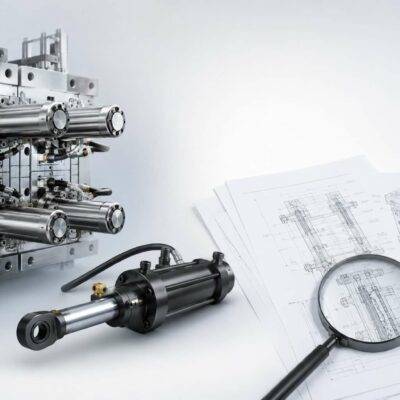
- hydraulic components
- core pulling systems
- mechanical movements
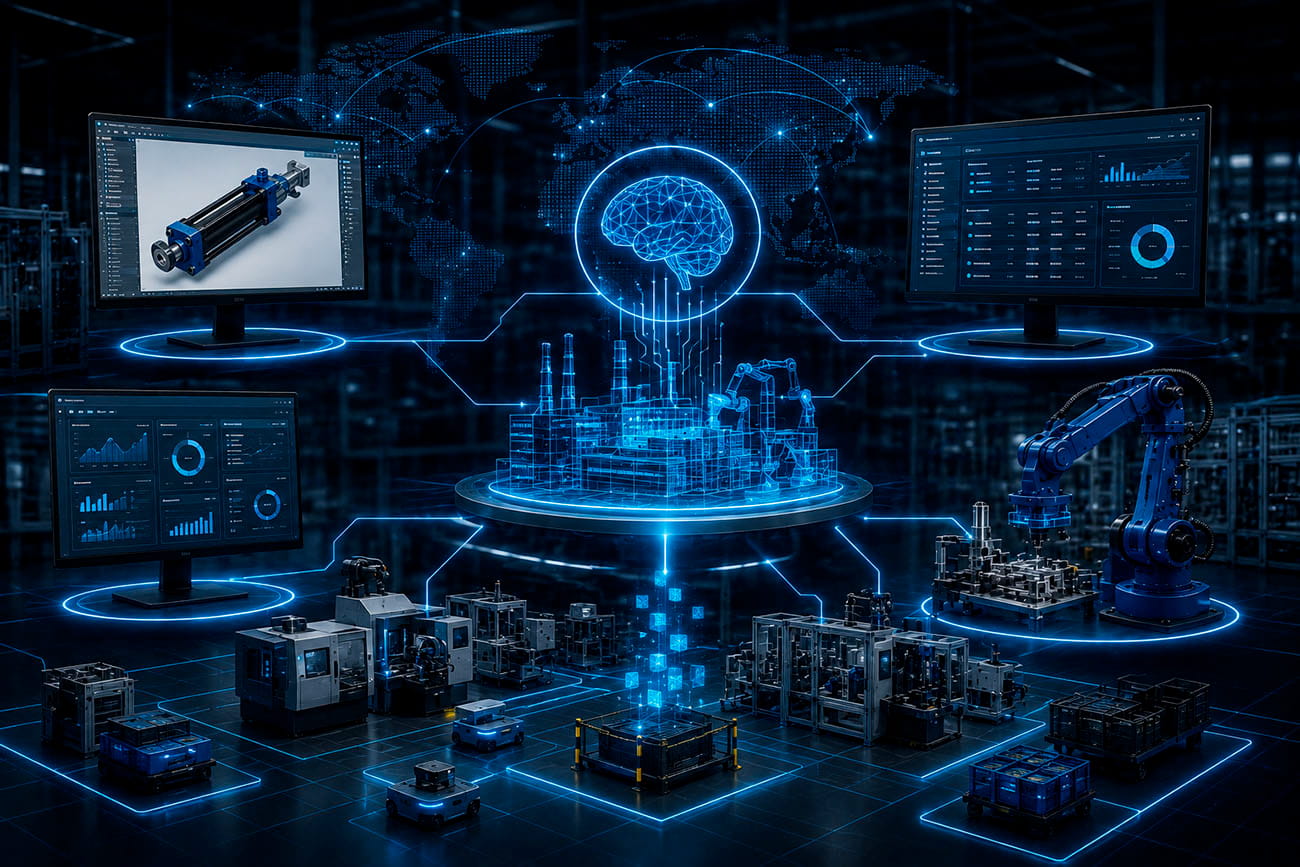
For this reason, parametric engineering and 3D CAD integration are becoming essential.
Platforms such as Vega Cylinders allow engineers to:
- configure hydraulic cylinders online
- download 3D CAD models
- verify compatibility
- accelerate engineering workflow
This improves integration and development speed.
The future of hot runner technology
In the future of injection molding:
- advanced simulation
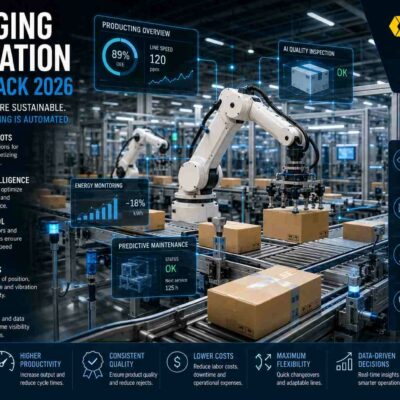
- industrial AI
- automation
- real-time manufacturing
will become increasingly interconnected.
Companies capable of controlling temperature and flow behavior will achieve higher quality and efficiency.