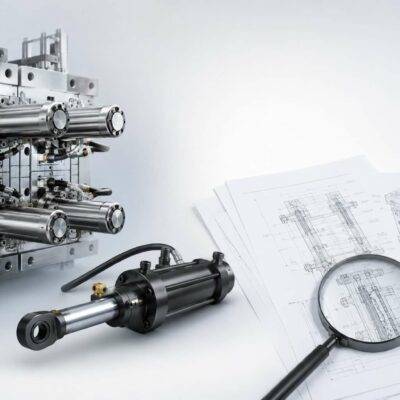

Why Plastic Material Alone Cannot Determine Locking Cylinder Selection
When selecting a hydraulic locking cylinder for an injection mold, one of the most common questions asked by mold designers is:
“If we change from a softer plastic to a harder one, do we need a larger locking cylinder?”
At first glance, the answer might appear straightforward.
However, real engineering shows that the question itself is incomplete.
The size of a locking hydraulic cylinder cannot be determined solely by the type of plastic being processed. Instead, engineers must evaluate the complete molding application, including mold geometry, operating conditions and the forces acting on the slide throughout the injection cycle.
A real engineering case handled by the Vega Technical Department clearly illustrates why professional cylinder selection always begins with reliable technical information rather than assumptions about the plastic material.
The Customer’s Question
During the development of an injection mold, the customer asked whether using a softer plastic instead of a harder engineering polymer required selecting a larger CF locking cylinder.
This is a perfectly reasonable question.
Many engineers instinctively associate higher-performance plastics with higher molding forces.
Although the material certainly influences the molding process, it is only one of many engineering variables that must be evaluated before selecting a hydraulic cylinder.
The Real Problem Was Not the Plastic Material
Instead of immediately discussing the plastic itself, the Vega Technical Department identified another, much more important issue.
The technical information received from the customer was inconsistent.
Different documents referred to different molds, different hydraulic cylinder configurations and different design assumptions, making it impossible to determine which application should actually be analysed.
Before any engineering calculation could begin, the engineers first needed to establish which technical data accurately described the mold under discussion.
This is a fundamental engineering principle.
Reliable calculations require reliable input data.
Engineering Starts with Consistent Technical Information
The documentation available to the Vega Technical Department included:
- a 3D model of the mold;
- technical presentations;
- information describing different hydraulic cylinder configurations.
Unfortunately, these documents did not all describe the same engineering solution.
As a result, the engineers could not simply confirm a cylinder selection without first clarifying which mold configuration was actually being considered.
This demonstrates an important lesson for every mold designer.
Even the most accurate engineering calculations become unreliable if they are based on inconsistent project information.
Mold Forces Matter More Than Material Names
Rather than focusing only on the name of the plastic material, professional engineers evaluate the forces acting inside the mold.
These forces depend on numerous factors, including:
- mold geometry;
- projected areas;
- cavity pressure;
- slide configuration;
- operating conditions;
- safety requirements.
The plastic material certainly influences several of these parameters, but it is only one part of a much larger engineering analysis.
For this reason, changing from one polymer to another does not automatically mean that a larger hydraulic cylinder will be required.
This Approach Is Consistent with Injection Molding Best Practice
The engineering methodology followed by the Vega Technical Department is consistent with the principles described in BASF’s technical guide on injection molding.
According to BASF, the quality and behaviour of an injection-molded component result from the interaction between:
- part design;
- mold design;
- material properties;
- processing parameters.
Successful troubleshooting therefore requires analysing the complete molding system rather than focusing on a single variable.
This is exactly the approach adopted in the Vega engineering case.
Professional Engineers Recognize Their Area of Expertise
Another remarkable aspect of this case is the professional attitude shown by the Vega Technical Department.
Rather than making assumptions about the influence of specific plastic materials, the engineers clearly explained that their expertise was focused on hydraulic cylinder applications and that they could not provide definitive guidance regarding the behaviour of every engineering plastic.
This reflects good engineering practice.
Professional engineers do not guess.
They distinguish between verified technical knowledge and subjects requiring specialist expertise.
The First Step Is Always Understanding the Application
This case demonstrates that hydraulic cylinder selection should never begin by asking whether one plastic is harder or softer than another.
Instead, engineers should first ensure that they understand:
- which mold is being analysed;
- which slide configuration is being used;
- which operating conditions apply;
- whether the available technical information is complete and internally consistent.
Only after these questions have been answered can reliable engineering calculations begin.
Why Accurate Engineering Data Are More Important Than Material Selection
In Part 1, we saw that choosing a locking hydraulic cylinder cannot be reduced to a simple comparison between a “soft” plastic and a “hard” engineering polymer.
The real engineering case handled by the Vega Technical Department demonstrates that successful hydraulic cylinder selection depends first on the quality and consistency of the technical information available.
Before confirming any hydraulic solution, the engineers carefully reviewed the documentation received from the customer because the different files described different mold configurations and different hydraulic cylinders.
This engineering approach is essential to avoid selecting a cylinder based on incorrect assumptions.
Reliable Engineering Starts with Reliable Data
One of the most valuable lessons from this case is that engineering calculations are only as accurate as the information used to perform them.
The customer had previously supplied:
- a 3D mold model;
- technical presentations;
- information regarding an existing CF045 locking cylinder.
Based on those documents, the Vega Technical Department had already analysed the application and determined a hydraulic cylinder suitable for the calculated operating conditions.
Later, however, additional documentation described two different molds with different locking cylinder arrangements, making it impossible to determine which configuration represented the actual project.
Rather than confirming a cylinder that might have been incorrect, the engineers requested clarification.
Mold Geometry Determines the Required Locking Force
One of the most common misconceptions in injection mold design is that plastic material alone determines hydraulic cylinder size.
Professional engineering follows a different approach.
The required locking force depends primarily on:
- mold geometry;
- projected surfaces;
- cavity pressure;
- slide configuration;
- mechanical loading;
- operating safety margins.
The plastic material influences the molding process because different polymers may require different processing conditions, but it is not the only parameter governing hydraulic cylinder selection.
For this reason, replacing one material with another does not automatically require a larger or smaller locking cylinder.
This Multivariable Approach Is Recognized Throughout the Plastics Industry
The methodology followed by the Vega Technical Department is consistent with the engineering principles presented in BASF’s technical guide for injection molding.
According to BASF, the performance of an injection-molded component depends on the interaction between:
- part design;
- mold design;
- material selection;
- processing conditions.
The guide explains that technical problems should be analysed systematically because they rarely originate from a single cause.
This is precisely why hydraulic cylinder selection cannot be based solely on the plastic material.
Engineering Requires Knowing the Limits of Your Expertise
Another important aspect of this case is the professional attitude adopted by the Vega Technical Department.
Rather than attempting to provide definitive advice regarding every engineering plastic, the engineers openly explained that their primary expertise concerned hydraulic cylinders and that they could not claim extensive experience with all plastic materials.
This reflects an important engineering principle.
Reliable technical advice is based on verified knowledge.
When specialist expertise from another field is required, experienced engineers recognise those limits instead of making unsupported assumptions.
Better Questions Produce Better Engineering Solutions
The most valuable message emerging from this engineering case is not whether one plastic requires a larger locking cylinder than another.
The real lesson is that engineers must first ask the correct questions.
Before selecting a hydraulic cylinder, it is essential to verify:
- Which mold is being analysed?
- Which slide configuration is installed?
- Which cavity pressures are expected?
- Are all technical documents describing the same project?
- Are the available engineering data complete and consistent?
Only after answering these questions can hydraulic cylinder sizing be performed with confidence.
A Structured Engineering Method Prevents Design Errors
The workflow followed by the Vega Technical Department provides an excellent example of professional engineering practice.
Instead of making assumptions, the engineers:
- reviewed the available documentation;
- compared the different technical files;
- identified inconsistencies;
- requested clarification from the customer;
- confirmed that the engineering data referred to the same mold;
- only then proceeded with hydraulic cylinder evaluation.
This structured methodology reduces technical risk, avoids incorrect cylinder selection and improves the reliability of the entire injection mold.
Conclusion
This real engineering case demonstrates that hydraulic cylinder selection should never be based solely on the type of plastic being processed.
Before recommending a locking cylinder, the Vega Technical Department first verified whether all the available technical information referred to the same mold and identified inconsistencies that could have led to an incorrect engineering decision. At the same time, the methodology adopted is consistent with the broader engineering principles described by BASF, which emphasise that successful injection molding depends on the interaction between mold design, material properties and processing conditions rather than on a single parameter.
This case reinforces one of the most important principles of injection mold engineering:
The correct hydraulic cylinder is selected by analysing the complete engineering system—not by considering the plastic material in isolation. Accurate technical information, consistent project documentation and systematic engineering evaluation are the foundations of reliable hydraulic cylinder selection.
Related Articles (Verified URLs on icvega.com)
- How to Find the Right Vega Cylinder or Accessory
https://www.icvega.com/choosing/find-right-vega-cylinder-accessory - Choosing the Right Cylinder: Pushing Force
https://www.icvega.com/choosing/choosing-the-right-cylinder-for-your-mold-pushing-force - Choosing the Right Cylinder: Stroke Selection
https://www.icvega.com/choosing/choosing-the-right-cylinder-for-your-mold-stroke - Locking Hydraulic Cylinders for Injection Molds
https://www.icvega.com/products/locking-hydraulic-cylinders - Hydraulic Cylinder Maintenance
https://www.icvega.com/maintenance/hydraulic-cylinder-maintenance